-
 New productBicycle wheel reflector
- €0.10
 New productBrake pivot
- €2.99
 New product
 New product
 New product
 New product
 New product
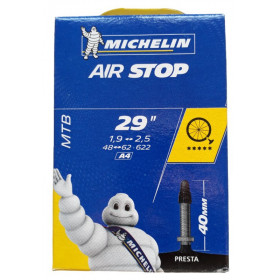 New product -30%
 New product -45%Bicycle t-shirt
- €16.49
- €29.99
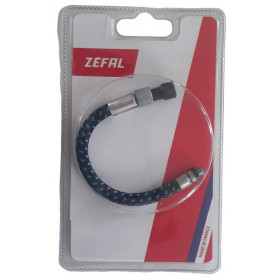 New product -35%Presta and Schrader Zefal bicycle pump hose
- €2.57
- €3.95
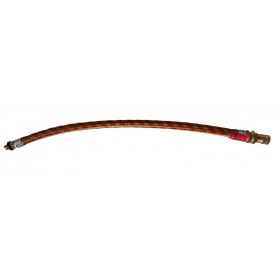 New product -34%Presta and Schrader bicycle pump hose
- €1.97
- €2.99
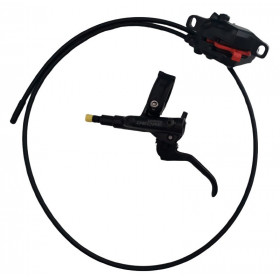 New product -50%Hydraulic front disc brake Shimano Deore M6100
- €51.50
- €102.99
 New product
 New product
 New product
 New product
 New product -45%Khaki T-shirt
- €10.99
- €19.99
 New product
 New product
 New product
 New product -40%Zefal water pocket teat
- €3.59
- €5.99
 New product -50%Zefal air flash 402 regulator inflator
- €6.88
- €13.75
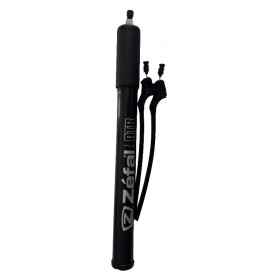 New product -27%
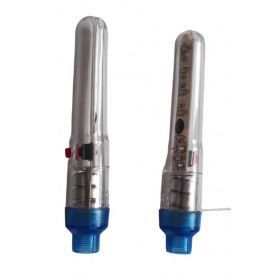 New product -40%Holographic bike lighting Atoo schrader valve
- €11.40
- €19.00
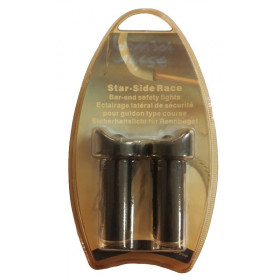 New product
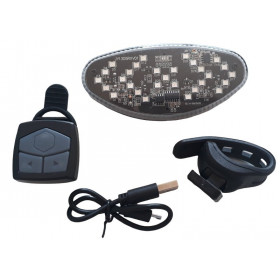 New product -35%Optimiz 4-function wireless bicycle turn signal USB
- €19.47
- €29.95
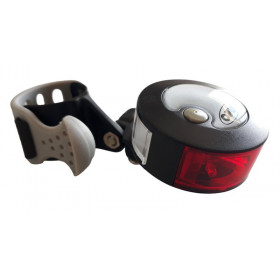 New product -30%Areo rear bike light
- €10.85
- €15.50
 Used
Used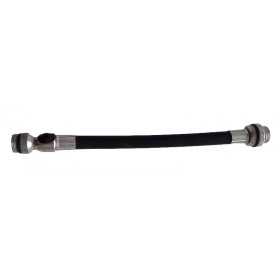 New product -20%Pump join Lezyne Hose ABS (presta/schrader)
- €12.79
- €15.99
 New product New
 New productV brake
- €8.49
 New product -25%Lezyne Pocket Drive PRO Pump Holder
- €6.37
- €8.49
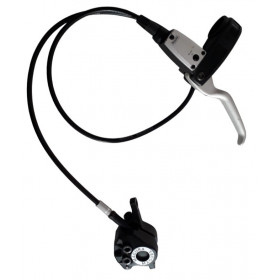 New product -40%MTB front disc brake Magura Julie HP
- €53.94
- €89.90
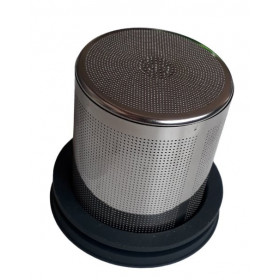 New product -20%Closca thermal bottle tea infuser
- €7.92
- €9.90
 CustomizeNew product -55%Men's cycling t-shirt SE Bikes
- €11.25
- €24.99
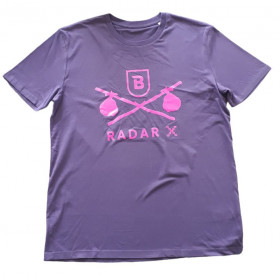 New product -45%Breezer Radar X T shirt purple size L
- €10.99
- €19.99
 New product -45%Black t-shirt size M
- €10.99
- €19.99
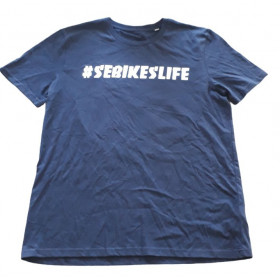 New product -45%Customized cycling t-shirt size L
- €16.49
- €29.99
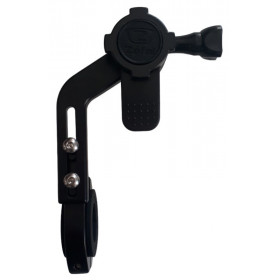 New product -37%Zefal Z handlebar mount bike smartphone mount
- €18.84
- €29.90
 New product -30%WOWOW Roadie FR Bike Safety Vest Size XL
- €20.99
- €29.99
 New product
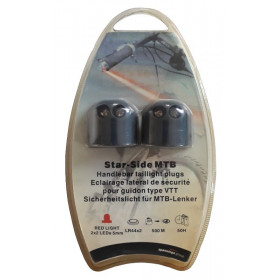 New productMTB lights for handlebar
- €6.99
 New product -40%Atoo bicycle lighting kit 5 leds 2 functions USB
- €12.59
- €20.99
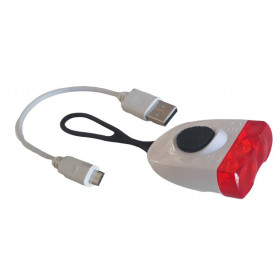 New product -25%Powerful UNION bicycle rear light
- €10.24
- €13.65
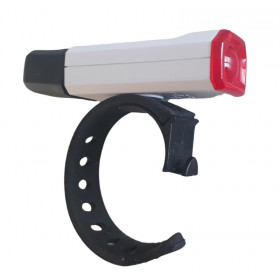 New product -25%UNION bicycle rear light
- €10.24
- €13.65
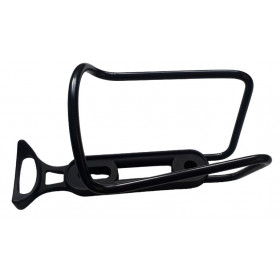
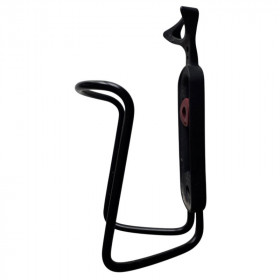 UsedDecathlon bottle cage
- €0.99
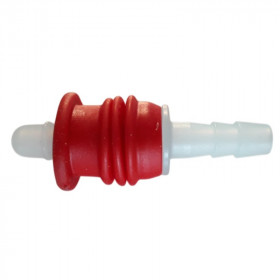 New product -15%Water bag valve Zefal Dakar
- €5.09
- €5.99
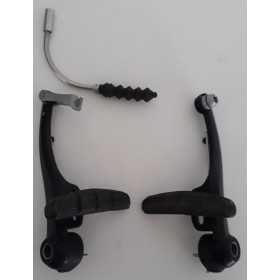 UsedV-Brake used
- €3.99
 New product
 Used
Used Used
Used Used
UsedAll-terrain bicycles (MTBs) are designed to tackle a variety of terrain, from rough trails to the most technical trails. With an extensive range of specialized models, each type of mountain bike is optimized for specific conditions and practices. Here is an overview of the characteristics and specificities of the main types of mountain bikes.
1. Cross-Country (XC) MTB
The cross-country (XC) mountain bike is the most versatile and lightweight of the range, ideal for climbs, descents and long distances.
Characteristics and Specificities
- Light and Rigid Frame: Often made of aluminum or carbon to maximize lightness and efficiency when climbing.
- Suspension: Typically front suspension (semi-rigid) or full suspension with limited travel (100-120 mm), optimized to absorb shock while remaining responsive.
- Transmission: A wide range of gears to tackle steep climbs and fast descents.
- Wheels: 29-inch wheels, providing better traction and high cruising speed.
The XC mountain bike is ideal for competitions and rides on moderate terrain, combining speed and endurance.
2. Freeride mountain bike
The freeride mountain bike is designed for technical descents, jumps and acrobatic tricks.
Characteristics and Specificities
- Resistant and Maneuverable Frame: Built to resist shocks, with geometry allowing great maneuverability.
- Suspension: Double suspension with significant travel (170-200 mm), ideal for absorbing shock from jumps and uneven terrain.
- Transmission: Fewer gears, as the emphasis is on power for descents and tricks.
- Powerful Brakes: Robust hydraulic disc brakes for confident braking on fast descents.
Freeride mountain biking is perfect for cyclists looking for thrills, with spectacular descents and technical courses.
3. Enduro MTB
The enduro mountain bike is designed for rough terrain and technical descents, but is still light enough for climbing.
Characteristics and Specificities
Versatile Frame: Strong and lightweight, with stable geometry for descents and climbs.
Suspension: Double suspension with medium to high travel (140-170 mm), suitable for rough terrain.
Transmission: A wide choice of speeds to adapt to uphill and downhill slopes.
Disc Brakes: Hydraulic disc brakes, offering efficient and progressive braking.The enduro mountain bike is the ideal choice for competitions and serious outings in the mountains, offering a good compromise between uphill and downhill.
4. Downhill MTB (DH)
The Downhill mountain bike is designed exclusively for technical descents, on steep trails strewn with obstacles.
Characteristics and Specificities
- Ultra-Robust Frame: Designed to withstand the intense shocks of descents, with very stable geometry.
- Suspension: Double suspension with very significant travel (200-220 mm) to absorb extreme shocks.
- Limited Transmission: Few speeds, often with a simplified transmission for descents.
- Brakes: Extremely powerful hydraulic disc brakes for maximum control.
- The downhill mountain bike is intended for downhill enthusiasts in competition or in resorts, offering incomparable maneuverability and robustness.
5. Fatbike
The fat bike is a mountain bike equipped with ultra-wide tires, perfect for soft terrain such as snow, sand or mud.
Characteristics and Specificities
- Specific Frame: Reinforced frame to support wide tires and provide increased stability.
- Ultra-Wide Tires: Tires 3.8 inches or larger, providing exceptional grip on unstable surfaces.
- Suspension: Often without suspension, because the wide tires already absorb shocks.
- Versatile Transmission: Designed to ride in varied conditions, with a medium range of speeds.
The fat bike is ideal for adventurers looking to explore difficult and unconventional terrain.
6. Electric mountain bike (MTB)
The electric mountain bike is equipped with a motor to facilitate climbs and extend outings.
Characteristics and Specificities
- Motor and Battery: An integrated motor, often in the crankset or rear wheel, providing assistance for climbs.
- Reinforced Frame: Designed to support the additional weight of the battery and motor.
- Suspension: Suspension depends on the type of mountain bike (XC, enduro, etc.), but generally with medium travel.
- Transmission and Brakes: Transmission and brakes adapted to the power and additional weight.
The electric mountain bike is perfect for those looking to go further and tackle climbs more easily.
7. Dirt MTB
The dirt mountain bike is designed for acrobatic tricks and jumps on dirt tracks.
Characteristics and Specificities
- Compact and Resistant Frame: Short and solid frame to withstand the shocks of tricks.
- Front Suspension: A short travel front suspension (80-100 mm), to absorb shocks without interfering with tricks.
- Single-plate transmission: Simplified for maneuverability, often with only one speed.
- Brakes: Disc brakes for precise control.
Dirt mountain biking is ideal for fans of tricks, pump tracks and technical courses.
8. MTB Pump Track
The pump track mountain bike is designed for pump track type loop circuits, where the impulse of the body moves the bike forward.
Characteristics and Specificities
- Short and Rigid Frame: Designed to be very maneuverable and responsive.
- Semi-Wide and Smooth Tires: For optimal grip on compacted dirt tracks.
- Simple Transmission: Often without gears, with only one gear for simplicity.
- Responsive Brakes: Disc or pad brakes for precise control.
The pump track MTB is perfect for technical trails where the rider uses momentum rather than pedaling to move forward.
Quick Comparison
MTB type Adapted Land Main Features Ideal Use MTB XC Moderate trails Lightweight frame, limited suspension, 29-inch wheels Competitions, fast hikes MTB Freeride Technical descents Durable frame, long travel, increased maneuverability Jumps, committed descents MTB Enduro Varied terrain, technical descents Suspension 140-170 mm, powerful braking Technical climbs and descents MTB DH Downhill trails Robust frame, max travel, powerful brakes Descent into the resort, competitions Fat Bike Soft ground (snow, sand) Wide tires, great grip Adventures off the beaten track E-MTB Varied terrain Electric assistance, reinforced frame Long outings, easy climbs MTB Dirt Jumping tracks and clay courts Short frame, minimal front suspension Figures, jumps, technical circuits MTB Pump Track Pump tracks Rigid frame, semi-slick tires Speed and control on pump tracks
These different types of mountain bikes offer adventure and challenge opportunities for all tastes, from steep climbs to technical descents to the most extreme terrain. Choosing the right mountain bike depends on preferences and the type of terrain each rider wants to explore.
There are 53 products.