
-
 New product
 New product -30%
 New product -45%Bicycle t-shirt
- €16.49
- €29.99
 New product -45%Khaki T-shirt
- €10.99
- €19.99
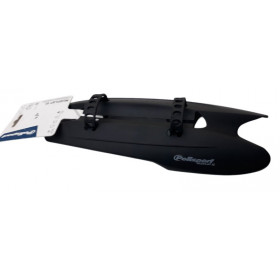 New product
 Used
Used New product New
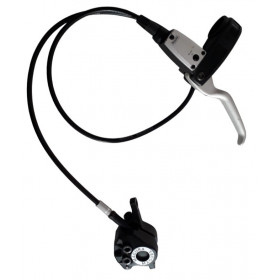 New product -40%MTB front disc brake Magura Julie HP
- €53.94
- €89.90
 CustomizeNew product -55%Men's cycling t-shirt SE Bikes
- €11.25
- €24.99
 New product -45%Breezer Radar X T shirt purple size L
- €10.99
- €19.99
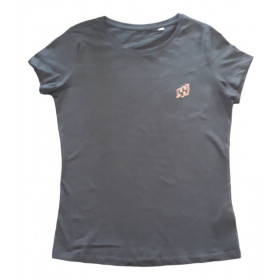 New product -45%Black t-shirt size M
- €10.99
- €19.99
 New product -45%Customized cycling t-shirt size L
- €16.49
- €29.99
 New product
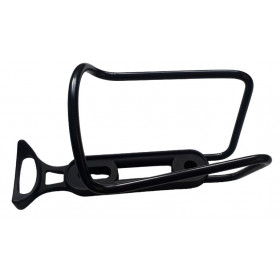
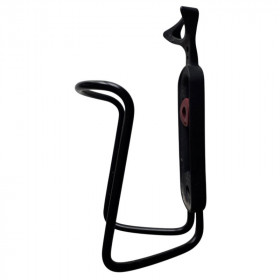 UsedDecathlon bottle cage
- €0.99
 New product
The Enduro mountain bike is designed for versatile mountain biking, combining technical climbs and demanding descents. Specially designed for cyclists looking to combine climbing with high downhill performance, it falls between cross-country and downhill in terms of characteristics, with equipment that allows you to overcome technical challenges while maintaining great maneuverability. Here are the characteristics and specificities of the Enduro mountain bike.
Characteristics and specificities of the Enduro mountain bike
1. Durable Frame and Versatile Geometry
Enduro mountain bike frames are often made of aluminum or carbon to combine lightness and strength. The geometry is generally elongated and slightly tilted back, with an open head angle (between 64° and 66°). This ensures a stable position when descending while allowing some efficiency when climbing. This geometry offers a good compromise between maneuverability and control on descents.
2. Front and Rear Suspension (Dual Suspension)
Enduro mountain bikes are equipped with full suspension (double suspension) for optimal comfort and good control on technical terrain. The suspension travel is between 140 and 170 mm, allowing shock to be effectively absorbed without sacrificing pedaling efficiency. The fork and rear shock are adjustable to adapt to different types of terrain.
3. Versatile Transmission for Uphill and Downhill
The transmission of an Enduro mountain bike is designed to offer a wide range of speeds. In general, it is equipped with a single chainring with a 12-speed cassette for a smooth transition between technical climbs and fast descents. This configuration makes it possible to easily manage climbs while maintaining simplicity and lightness of the transmission.
4. Powerful Disc Brakes
Enduro mountain bikes are equipped with large hydraulic disc brakes (often 180 mm or 200 mm) to provide optimal stopping power, essential on steep and technical descents. These brakes allow excellent modulation, providing precise control in difficult passages and ensuring good heat dissipation on long descents.
5. Robust Wheels and Versatile Tires
Enduro mountain bikes typically come with 27.5-inch wheels for better handling, although models with 29-inch wheels expand to provide better stability and increased crossing ability. The tires are wide, often between 2.3 and 2.6 inches, with aggressive lugs to ensure maximum grip uphill and downhill. Tubeless mounting is also common, offering better puncture resistance and the ability to ride with lower pressures for optimal grip.
6. Telescopic Seat Post
One of the essential elements of the Enduro mountain bike is the telescopic seat post. This stem allows the saddle height to be adjusted on the fly: when going uphill, the saddle is raised for efficient pedaling, while when going downhill, it can be lowered to give more freedom of movement and improve control in the technical passages.
7. Durable and Adjustable Components
Enduro MTB components are reinforced to withstand the stresses of enduro, such as flat or automatic pedals with wide platforms, reinforced cranks and frame protections. The suspension, seat post and transmission settings are designed to adapt to the varied demands of the course.
8. Design Optimized for Versatility
Enduro mountain bikes are designed for great versatility, capable of quickly going from uphill to downhill without requiring major adjustments. They are therefore suitable for mountain courses, technical trails, and even enduro competitions, which require endurance and precise control on varied terrain.
Advantages of Enduro MTB for Mountain Practice
Ascent/Descent Versatility: Able to climb efficiently while ensuring high performance when descending.
Damping and Comfort: Medium travel suspensions provide optimal comfort and control on uneven terrain.
Powerful and Precise Braking: The large disc brakes guarantee excellent control, even on prolonged descents.
Maneuverability and Stability: The versatile geometry allows a good balance between stability and maneuverability, ideal for technical courses.
Comparison between Enduro MTB and other types of MTB
Type of MTB Suspension Adapted Land Advantages Disadvantages MTB Enduro Double suspension (140-170 mm) Ascent and descent in the mountains Versatile, stable downhill, efficient uphill Slightly heavier than XC MTB downhill (DH) Double suspension (180-220 mm) Technical descents only Extreme downhill control and stability High weight, unsuitable for pedaling MTB Cross-Country (XC) Semi-rigid or double (80-120 mm) Climbs and rolling terrain Lightweight and responsive for uphill speed Less comfort when descending
The Enduro MTB is ideal for cyclists looking for a bike that performs well both uphill and downhill. Designed for versatility and endurance, it adapts perfectly to mountain routes, offering both comfort, stability and maneuverability to take on the challenges of enduro with complete confidence.
There are 16 products.