-
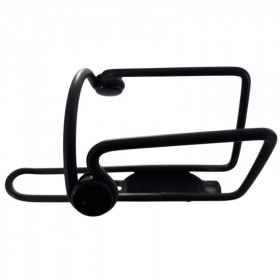
 New productBottle cage screw
- €1.19
 New product
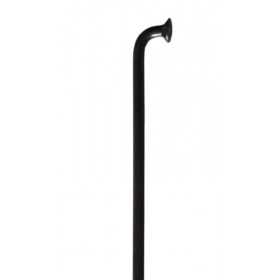 New productBike spoke Mach 1
- €0.50
 New productSpoke ACI steel
- €0.05
 New product
 New productBicycle wheel spoke
- €0.05
 New productBicycle bottle cage
- €0.99
 New productBicycle wheel reflector
- €0.10
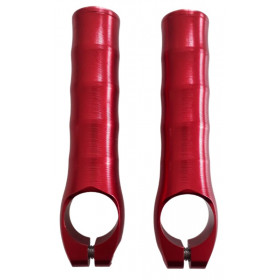 New product -60%MTB bar ends aluminium
- €12.00
- €29.99
 New productBrake pivot
- €2.99
 New product
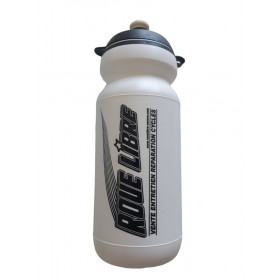 New product -25%Zefal bottle for bike
- €0.90
- €1.20
 New product
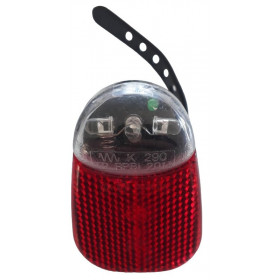 New product3 leds rear bike light
- €1.99
 New product
 New product
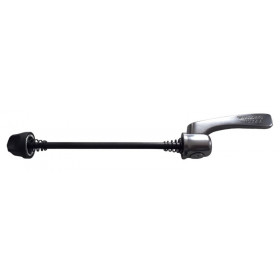 New product -50%Front wheel quick release Shimano 130 mm
- €6.50
- €12.99
 New product -50%
 New product1 led rear bicycle light
- €1.50
 New product
 New product
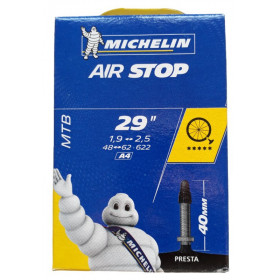 New product -30%
 New product -45%Bicycle t-shirt
- €16.49
- €29.99
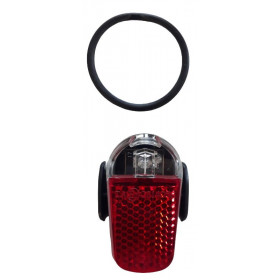 New product1 led rear bike light
- €1.50
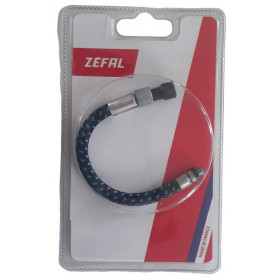 New product -35%Presta and Schrader Zefal bicycle pump hose
- €2.57
- €3.95
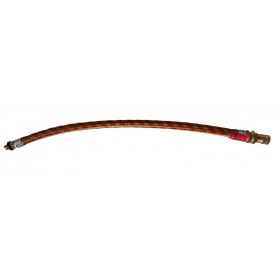 New product -34%Presta and Schrader bicycle pump hose
- €1.97
- €2.99
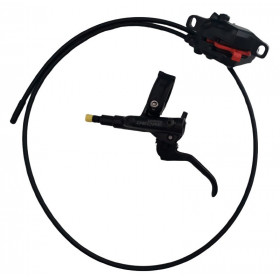 New product -50%Hydraulic front disc brake Shimano Deore M6100
- €51.50
- €102.99
 New product
 New product
 New product
 New product
 New product -45%Khaki T-shirt
- €10.99
- €19.99
 New product
 New product
 New product
 New product -25%Cantilever brake
- €6.74
- €8.99
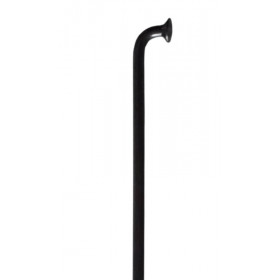 New productSpoke 255 mm steel black
- €0.05
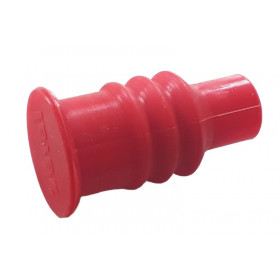 New product -40%Zefal water pocket teat
- €3.59
- €5.99
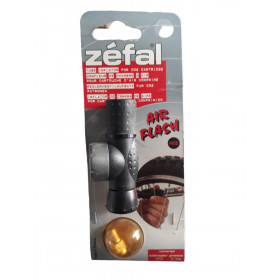 New product -50%Zefal air flash 402 regulator inflator
- €6.88
- €13.75
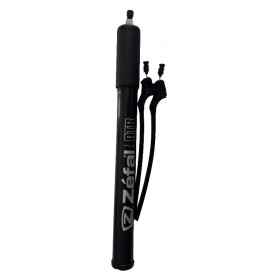 New product -27%
 New productCamelbak reservoir dryer
- €8.99
 New product -25%29 inch tire Michelin country race r
- €11.99
- €15.99
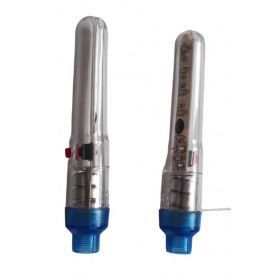 New product -40%Holographic bike lighting Atoo schrader valve
- €11.40
- €19.00
 New product -55%Men's cycling t-shirt SE Bikes
- €11.25
- €24.99
 New product
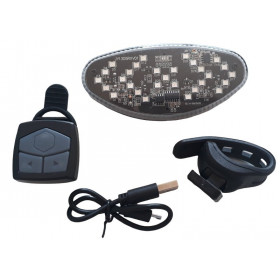 New product -35%Optimiz 4-function wireless bicycle turn signal USB
- €19.47
- €29.95
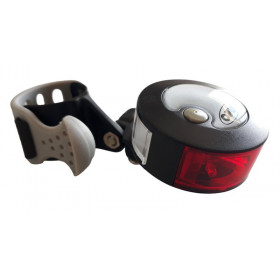 New product -30%Areo rear bike light
- €10.85
- €15.50
 Used
Used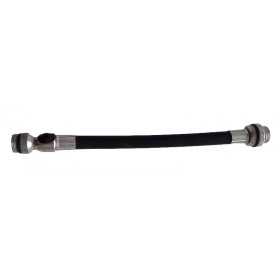 New product -20%Pump join Lezyne Hose ABS (presta/schrader)
- €12.79
- €15.99
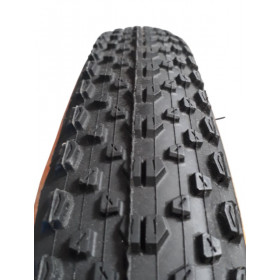 New product -43%MTB tire Maxxis Ikon 29 inches
- €39.89
- €69.99
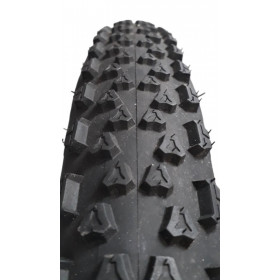 New product -28%MTB tire Vredestein Black Panther Xtreme 29 inches
- €39.59
- €54.99
 New product
 New productV brake
- €8.49
 New product
 New product -25%Lezyne Pocket Drive PRO Pump Holder
- €6.37
- €8.49
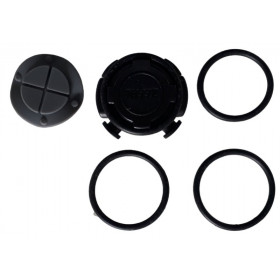 New product -32%Zefal Z bike mount Smartphone fixture
- €12.34
- €18.15
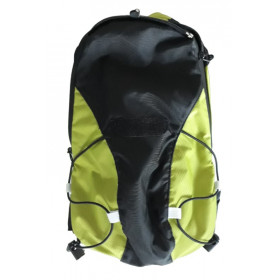 New productCycling backpack water bag
- €24.99
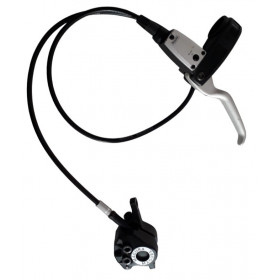 New product -40%MTB front disc brake Magura Julie HP
- €53.94
- €89.90
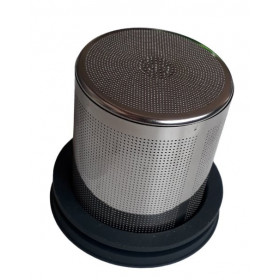 New product -20%Closca thermal bottle tea infuser
- €7.92
- €9.90
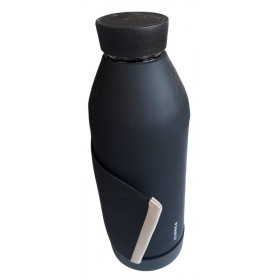 New product -25%Glass Closca thermal bottle
- €29.99
- €39.99
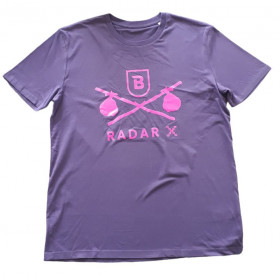 New product -45%Breezer Radar X T shirt purple size L
- €10.99
- €19.99
 New product -45%Black t-shirt size M
- €10.99
- €19.99
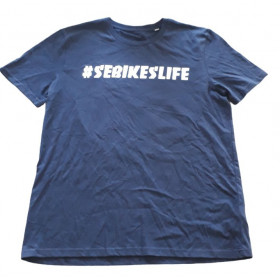 New product -45%Customized cycling t-shirt size L
- €16.49
- €29.99
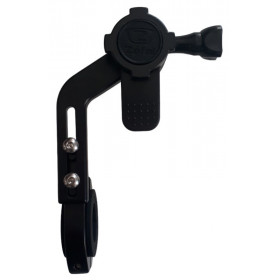 New product -37%Zefal Z handlebar mount bike smartphone mount
- €18.84
- €29.90
 New product -30%WOWOW Roadie FR Bike Safety Vest Size XL
- €20.99
- €29.99
 New product
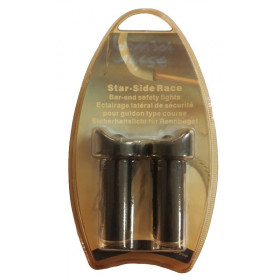
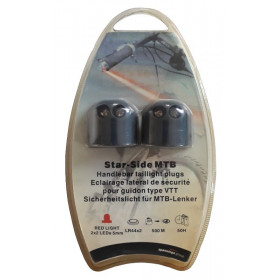 New productMTB lights for handlebar
- €6.99
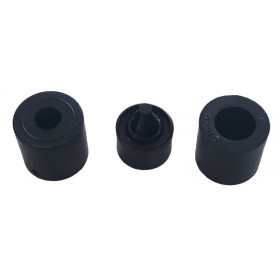 New product -25%2 reversible Zefal pump seals
- €1.80
- €2.40
 New product
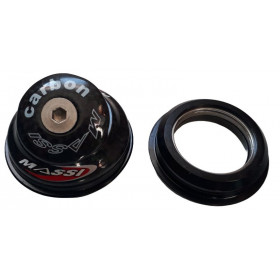 New product -60%Semi-integrated headset 1-1/8" Massi CM-HS706
- €18.76
- €46.90
 New product -40%Atoo bicycle lighting kit 5 leds 2 functions USB
- €12.59
- €20.99
 New product -25%Powerful UNION bicycle rear light
- €10.24
- €13.65
 New product -25%UNION bicycle rear light
- €10.24
- €13.65
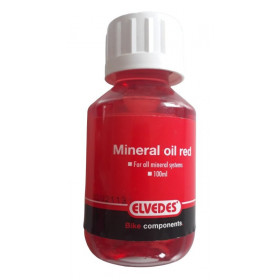 New product
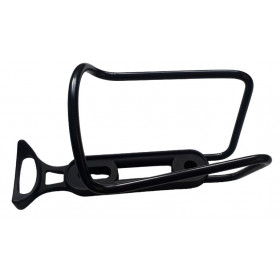
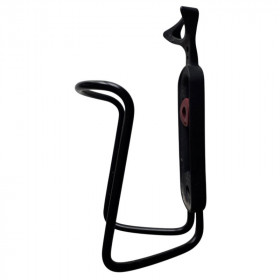 UsedDecathlon bottle cage
- €0.99
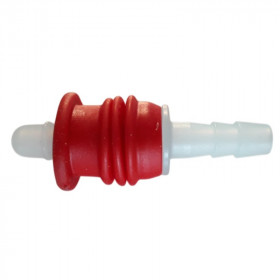 New product -15%Water bag valve Zefal Dakar
- €5.09
- €5.99
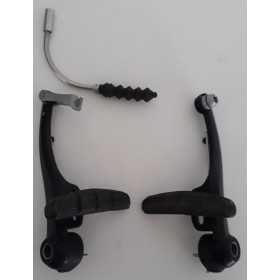 UsedV-Brake used
- €3.99
 New product
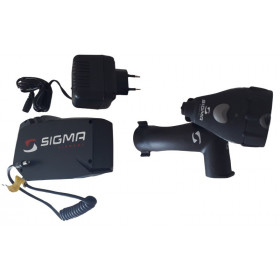 New product -23%Front powerful Halogen Bike Light Sigma Topline
- €43.88
- €56.99
 Used
Used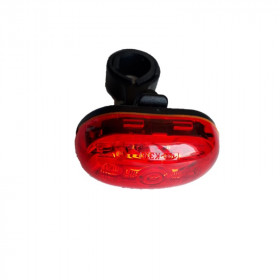 New productRear light
- €3.49
 Used
Used Used
Used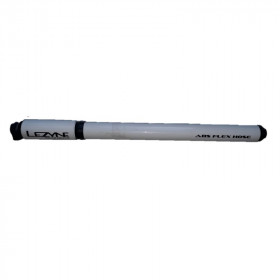 Used
Used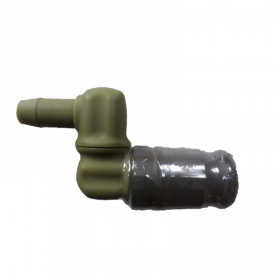 New productLezyne Bite valve
- €5.99
 New product
 Used
Used New product
 Used
Used Used
Used New product
 New product
 More detailsNew product Out-of-StockPromax V brake
- €8.49
 More detailsNew product -25% Out-of-StockLezyne Pocket Drive Pump Holder
- €5.96
- €7.95
 More detailsNew product Out-of-Stock
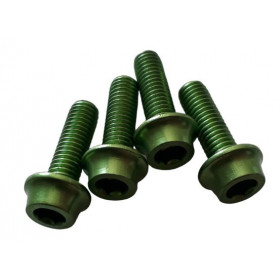 More detailsNew product -50% Out-of-StockBottle cage screws A2Z green
- €5.95
- €11.90
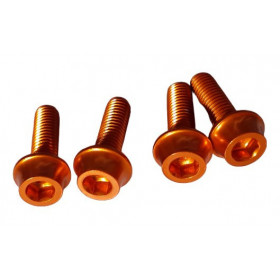 More detailsNew product -50% Out-of-StockBottle cage screws A2Z
- €5.95
- €11.90
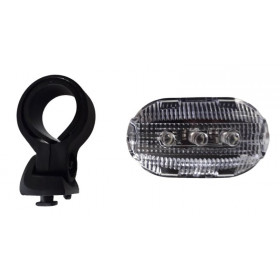 More detailsNew product -55% Out-of-StockPowerful bicycle front light BBB laser BLS-77
- €7.52
- €16.70
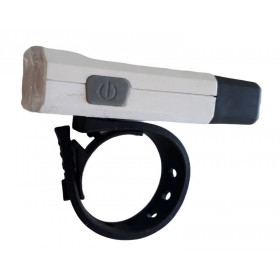 More detailsNew product -25% Out-of-StockUNION bicycle front light
- €10.24
- €13.65
Breathe new life into your mountain bike cross country with SL Sport equipment, where adventure meets the circular economy.
Cross-Country Mountain Biking (XC MTB) is specifically designed for fast, technical courses, with a strong emphasis on endurance and performance. Cross-country is the most popular discipline in the mountain biking world, alongside other practices such as freeride MTB, enduro MTB, downhill MTB (DH), electric mountain biking (e-MTB), dirt MTB, pump track MTB, trial MTB, and fat bikes, each suited to a particular riding style and terrain.
XC mountain biking is practiced on varied terrain, including steep climbs, fast descents, technical singletracks, and rolling sections. Here are the main characteristics and specific features of XC MTB.
Characteristics and specificities of cross-Country MTB
1. Lightweight and rigid frame
The XC mountain bike is distinguished by a lightweight frame, often made of aluminum or carbon to combine rigidity and low weight. This lightness is essential for climbs and long distances, while the rigidity of the frame allows optimal power transfer, maximizing the efficiency of each pedal stroke.
2. Performance-driven geometry
XC mountain bike frames are designed with aggressive, forward-facing geometry. This position allows the rider to remain aerodynamic, better control the bike on climbs and maintain a fast pace on flat terrain. The frame angles are often more closed, which favors acceleration and maneuverability on technical courses.
3. Front or full suspension (semi-rigid or full-suspension)
There are two main categories of XC mountain bikes in terms of suspension:
- Semi-rigid XC MTB: equipped with front suspension only, this type of bike is lighter and favors pedaling efficiency, ideal for rolling or moderately technical routes.
- Full-suspension XC MTB: with front and rear suspension, it provides more comfort and control on rough terrain, but is slightly heavier than the hardtail.
XC mountain bike suspensions generally offer a travel of 80 to 120 mm, allowing shocks to be filtered without affecting pedaling efficiency too much.
4. Wide speed range transmission
XC mountain bikes are often equipped with a single-chainring transmission associated with a wide-range cassette (10 to 12 speeds). This allows good cadence management, even on steep climbs, while reducing weight and complexity of maintenance compared to double or triple chainring transmissions.
5. Thin and roller wheels and tires
XC mountain bike wheels are generally 29 inches, offering better obstacle clearance and greater stability. The tires are thin and feature shallow lugs to reduce rolling resistance and maximize speed on mixed surfaces. Some models are equipped with tubeless tires (tubeless), thus reducing the risk of punctures and allowing you to ride with lower pressure for better grip.
6. Powerful and lightweight disc brakes
XC mountain bikes are equipped with disc brakes, often hydraulic, for reliable and precise stopping power in all conditions, even in wet or muddy terrain. Disc brakes provide good control, essential for technical descents.
7. Telescopic seat post (optional)
On certain XC mountain bike models, there is a telescopic seat post, allowing the height of the saddle to be adjusted when descending for better control and greater freedom of movement. Although commonly used in Enduro mountain biking, this option is becoming more popular in cross-country for technical courses.
8. Design optimized for performance
XC mountain bikes are designed to maximize performance, with lightweight, durable components like carbon wheels, high-precision derailleurs and streamlined frames. This optimization makes it possible to reduce every unnecessary gram to gain speed and agility, key elements in cross-country competitions.
Advantages of XC MTB for cross-country
- Lightness and rigidity: the lightweight construction facilitates climbs and long distances, while the rigidity of the frame maximizes power transfer.
- Pedaling efficiency: the optimized geometry and transmission allow you to maintain a fast cadence, ideal for races and sustained routes.
- Control on technical terrains: front or integral suspensions and disc brakes allow you to effectively manage descents and obstacles.
- Versatility: with a wide range of speeds and thin but grippy tires, XC mountain bikes are suitable for varied terrain, from rolling trails to rough paths.
Quick comparison between hardtail and full-suspension xc MTB
MTB xc type Suspension Benefits Disadvantages Semi-Rigid Front suspension Lightweight, responsive, excellent pedaling performance Less comfortable on technical terrain Fully Suspended Front and rear suspension Comfort and control when descending, good handling Heavier, less responsive than semi-rigid
The XC mountain bike is ideal for those seeking performance and versatility on cross-country courses, whether for training, competition, or simply exploring technical trails with speed and agility.
There are 103 products.