
-
 New product -36%Road bike rear derailleur Shimano Tiagra 10s
- €34.55
- €53.99
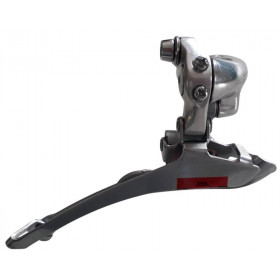 New product
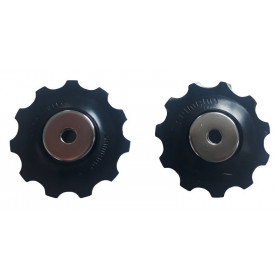 New product -30%Pulley set Shimano 105 10s
- €7.34
- €10.49
 New product
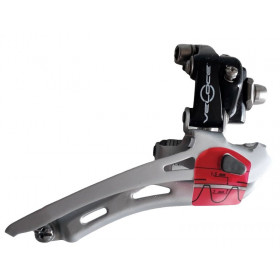 New product -12%
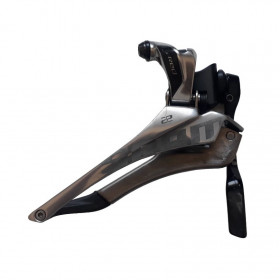 Used
Used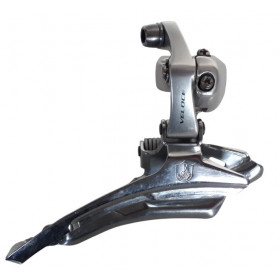 New product
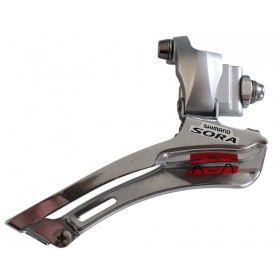 New product
 New product New
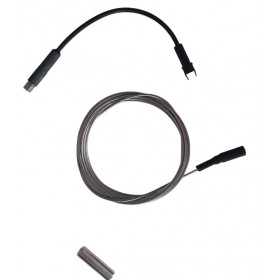 New productCampagnolo EPS magnet kit
- €49.99
 Used
Used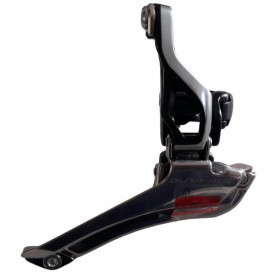 New product -42%Road bike front derailleur Shimano Dura-ace FD-9000-B 2x11s
- €98.60
- €170.00
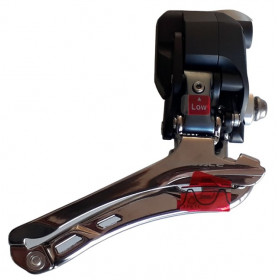 New product -65%Road bike front derailleur Shimano Dura-ace FD-7970 DI2...
- €171.50
- €490.00
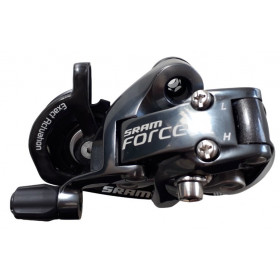 New product -31%Rear derailleur Sram Force 10s
- €79.34
- €114.99
 Used
Used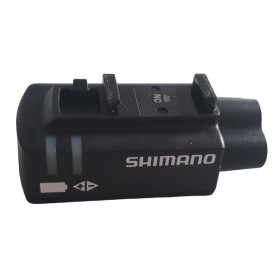 New product -23%Road bike junction box Shimano Dura ace Di2 SM-EW90-A
- €69.29
- €89.99
 Used
Used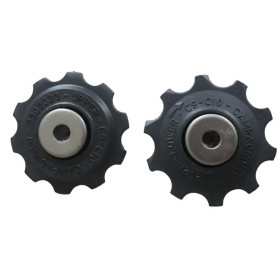 New product -35%Tenshion & guide pulley set Campagnolo 9s
- €17.60
- €27.07
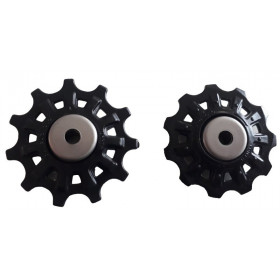 New product -25%Road bike tension & guide pulley set Campagnolo 11s
- €16.87
- €22.49
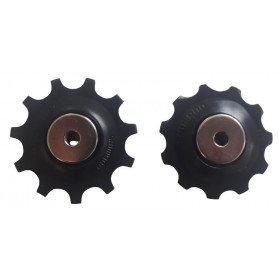 New product -55%Road bike pulley set Shimano 105 RD-5800 GS 11s
- €5.51
- €12.25
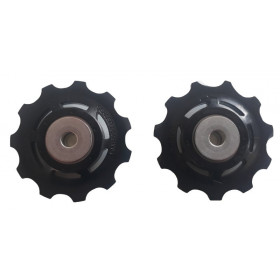 New product -55%
 Used
Used New product -45%Road bike front derailleur Shimano Ultegra FD-R8000 11s
- €34.64
- €62.99
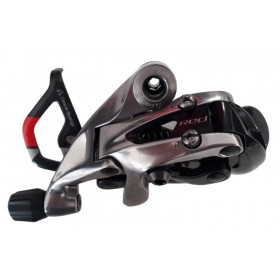 New product -55%Sram Red road bike rear derailleur 2 x 10s
- €157.50
- €350.00
 New product
 New product
 New product
 New product
 New product
 New product
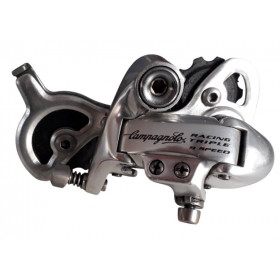 More detailsUsed New Out-of-Stock
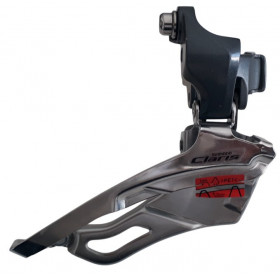 More detailsUsed Out-of-Stock
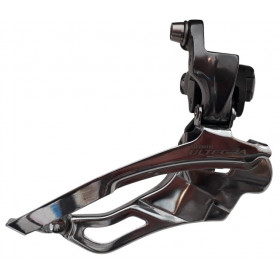 More detailsUsed Out-of-Stock
 More detailsNew product Out-of-Stock
 More detailsNew product Out-of-Stock
 More detailsUsed Out-of-Stock
 More detailsNew product Out-of-Stock
 More detailsNew product Out-of-Stock
 More detailsNew product Out-of-Stock
 More detailsNew product Out-of-Stock
 More detailsNew product Out-of-Stock
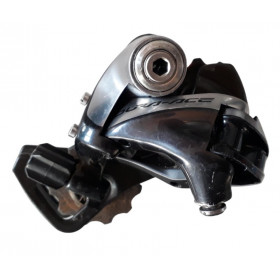 More detailsUsed Out-of-Stock
 More detailsNew product Used Out-of-Stock
 More detailsNew product -23% Out-of-StockRear derailleur Campagnolo Veloce 10s
- €76.99
- €99.99
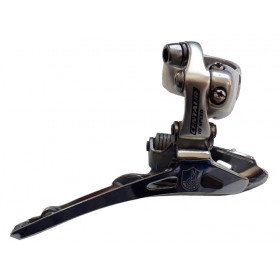 More detailsNew product Out-of-Stock
 More detailsUsed Out-of-Stock
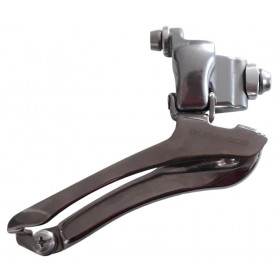 More detailsNew product Out-of-Stock
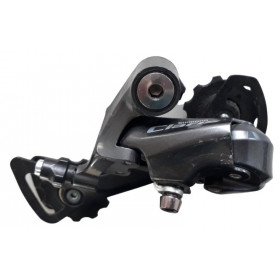 More detailsUsed Out-of-Stock
 More detailsNew product Out-of-Stock
 More detailsNew product Out-of-Stock
 More detailsNew product -38% Out-of-StockCampagnolo Centaur 10s rear derailleur short cage
- €55.79
- €89.99
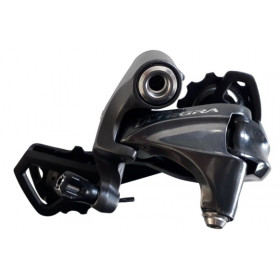 More detailsNew product Out-of-Stock
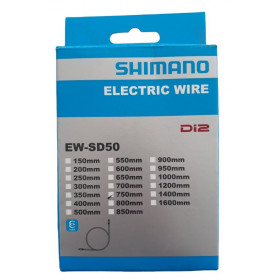 More detailsNew product -30% Out-of-StockShimano electric cable Di2 EW-SD50
- €25.19
- €35.99
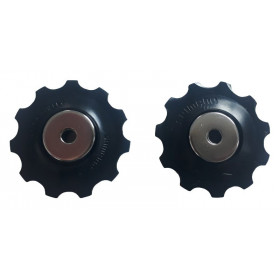 More detailsNew product -50% Out-of-StockPulley set Shimano Tiagra 105 Deore 9/10s
- €4.25
- €8.49
 More detailsUsed Out-of-StockFront derailleur Shimano 105
- €15.99
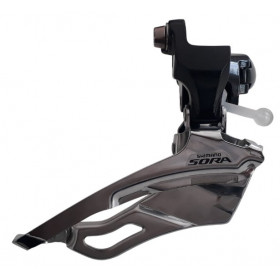 More detailsNew product Used Out-of-Stock
Showing 1-56 of 56 item(s)
Road bike derailleur: the key to smooth and precise shifting
When it comes to performance and comfort on a road bike, the road bike derailleur is a crucial component. At the heart of the road bike drivetrain, it allows for precise, fluid, and responsive gear changes in all conditions. But how does it actually work? What are its key features? And how do you choose the best road bike derailleur for your needs? Let’s break it down.
What is a road bike derailleur ?
The road bike derailleur is a mechanical component mounted on the road bike frame, responsible for moving the road bike chain from one gear to another on the road bike cassette (for the rear derailleur) or between chainrings (for the front derailleur). It's controlled by road bike shifters, usually integrated into the brake levers.
These shifters are connected via cables or electronically to the derailleurs. The derailleur cable pulls or releases tension, guiding the derailleur’s movement and shifting the chain. When well-tuned, gear changes are quick, quiet, and seamless.
Front vs rear derailleur
-
The rear road bike derailleur is the most used. It manages the cogs of the road bike cassette, typically ranging from 10 to 13 speeds. It needs to be fast, precise, and capable of handling chain tension.
-
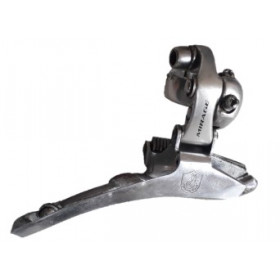
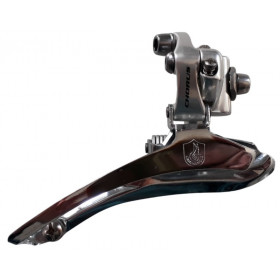
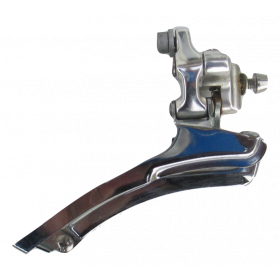
The front derailleur shifts the chain between the crankset chainrings. Though less frequently used, it's essential for maintaining an efficient gear range.
Key features of a road bike derailleur
-
Compatibility: your bike derailleur must match the number of speeds on your drivetrain (10, 11, 12, or even 13). It also needs to be compatible with the brand of your road bike shifters (Shimano, SRAM, Campagnolo...).
-
Capacity: this refers to the total number of teeth the derailleur can manage, accounting for the range between your smallest and largest cogs or chainrings. Make sure it aligns with your road bike cassette setup.
-
Mounting type: derailleurs attach to the road bike frame either via a derailleur hanger or a direct mount system, depending on the bike design.
-
Weight and materials: aluminum, carbon fiber, titanium… The material affects the weight, stiffness, and durability of the derailleur.
-
Mechanical vs electronic shifting: electronic drivetrains (like Di2, eTap, EPS) offer unmatched precision without traditional derailleur cables, ideal for serious riders.
How to choose the best road bike derailleur
The best road bike derailleur depends on several factors:
-
Your riding style: whether you race, tour, or ride for fitness, your needs will differ.
-
Your drivetrain: there's no point in using a 12-speed derailleur on a 10-speed setup.
-
Your budget: high-end carbon derailleurs can be pricey, but there are excellent mid-range models that deliver great performance.
Top models like the Shimano Ultegra, SRAM Force, or Campagnolo Chorus are benchmarks in the industry, offering a perfect balance of reliability, speed, and weight savings.
Maintaining your derailleur for optimal performance
A well-maintained road bike derailleur is key to long-term performance. Here are a few simple tips:
-
Regularly clean your road bike chain and derailleur jockey wheels.
-
Check the tension of your derailleur cable—especially if shifting feels sluggish or inaccurate.
-
Lubricate the pivot points of your derailleur to prevent squeaks and wear.
-
After any crash or impact, make sure your road bike frame and derailleur hanger are not bent.
In summary
The road bike derailleur is much more than a simple part—it’s the conductor of your bike’s transmission. Choosing the best road bike derailleur means finding one that suits your groupset, riding style, and performance expectations. With regular maintenance, you’ll enjoy crisp, precise gear changes that keep you rolling smoothly, whether you're climbing, sprinting, or cruising on the flats.
Other article:
There are 56 products.