
-
 New product
 New product
 New product
 New product
 New product
 New product
 New product
 New product
 New product
 New product
 New product
 New product
 New product
 New product
 New product
 New product
 New product
 New product
 New product
 New product
 New product
 New product
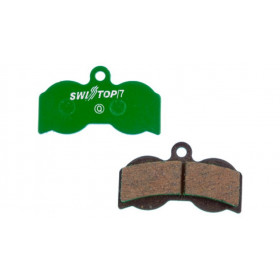
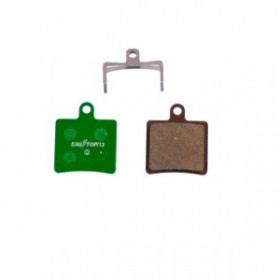 New product -57%Swissstop Hope mini disc 13 brake pads
- €9.85
- €22.90
 New product
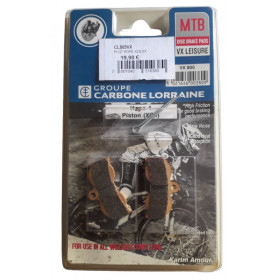 New product
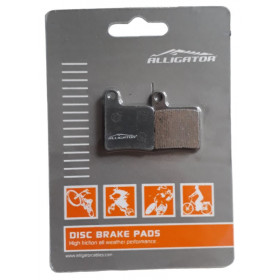 New product
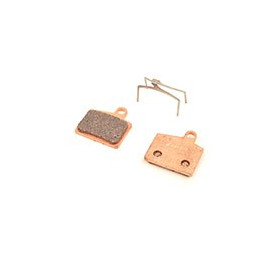
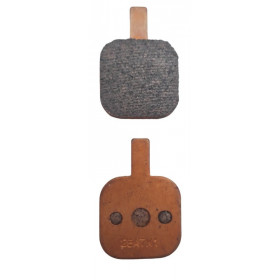
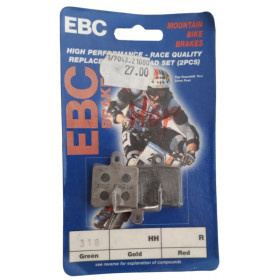 New product -60%EBC Hope mini brake pads
- €10.80
- €27.00
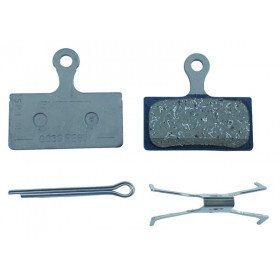 New product
 New product
 New product
 New product
 New product
 New product
 New product
 New product
 New product
 New product
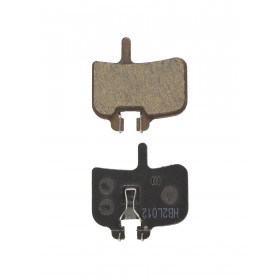 New product
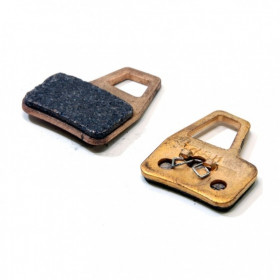 New productHayes El Camino brake pads
- €11.99
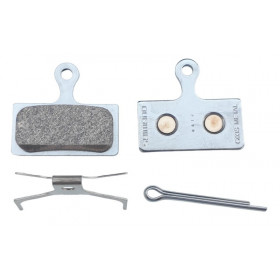 New product
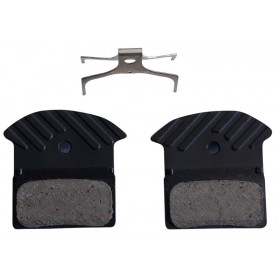 New product
 New product
 New product
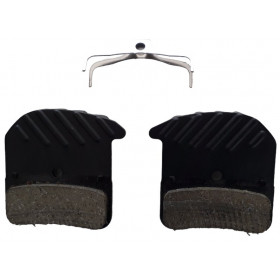 New product -45%ICE brake pads Shimano deore XT, Zee, Saint ICE H03A
- €19.52
- €35.49
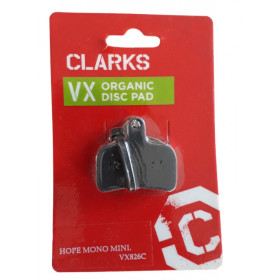 New product
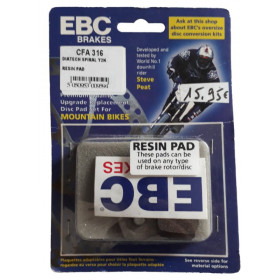 New product -40%Diatech Spiral Y2k brake pads EBC
- €9.57
- €15.95
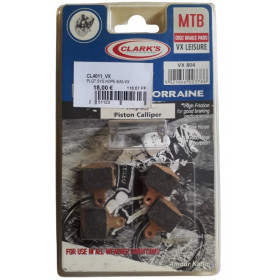 New product
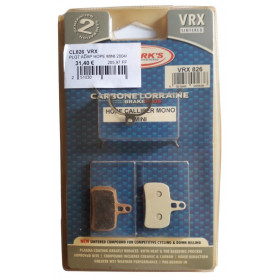 New product -50%Carbone Lorraine Hope Calliper mono mini 2004 brake pads
- €15.70
- €31.40
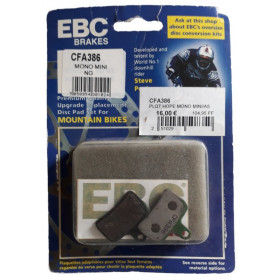 New product -60%Hope mono mini NG brake pads EBC
- €10.80
- €27.00
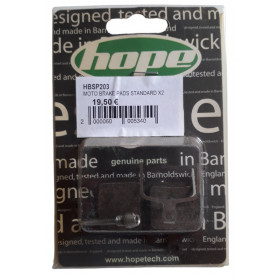 New product -50%Hope Moto V2 brake pads
- €9.75
- €19.50
 New product
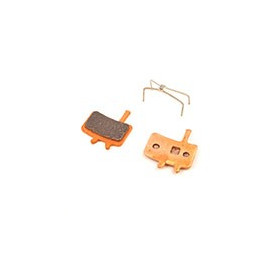 New product -50%
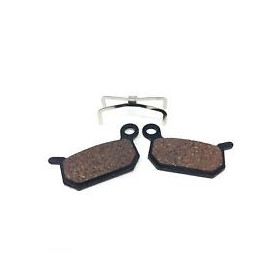 New product
 New product
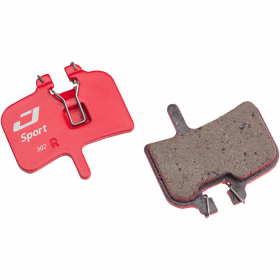 New product
 New product
 New product
 New product
 New product
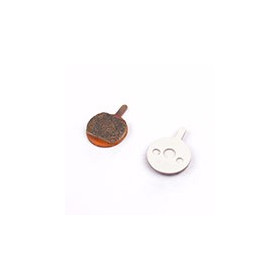 New product
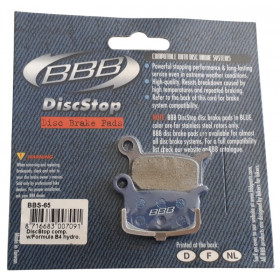 New productFormula B4 BBB brake pads
- €10.99
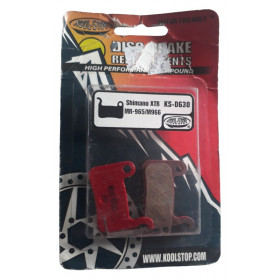 New product
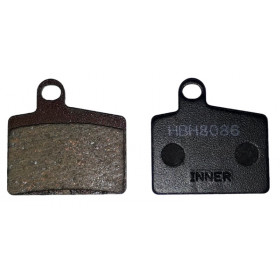 New product
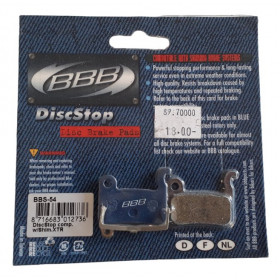 New product -40%Brake pads BBB Shimano XTR BBS-54
- €10.79
- €17.99
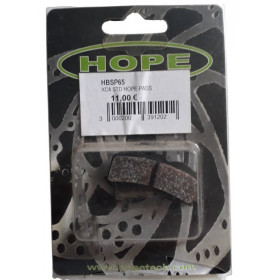 New product -15%Hope XC4 brake pads
- €9.35
- €11.00
 New product
 New product
 New product
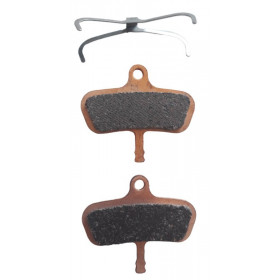
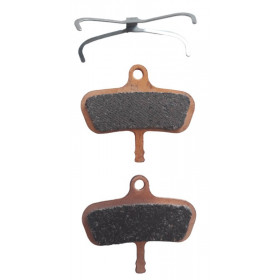 New product -50%Avid code brake pads, Brake Authority BA4045A
- €12.50
- €24.99
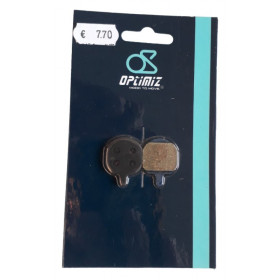 New product -20%Hayes GX-C MX2-XC SOLE brake pads
- €6.16
- €7.70
 New product
 New product
 New product -50%
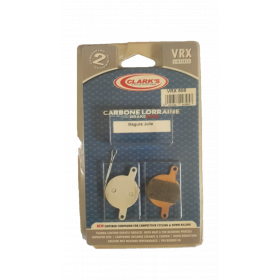 New product -50%Carbone Lorraine Magura Julie brake pads
- €13.00
- €25.99
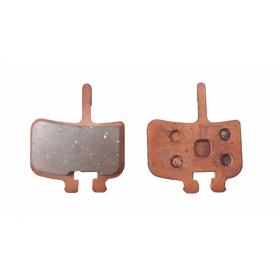 New product -50%MTB brake pads Avid Juicy BB7 Fibrax
- €6.50
- €12.99
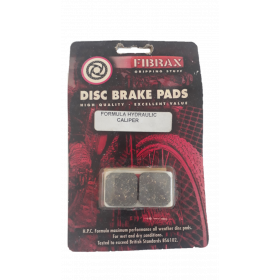 New product -50%Brake pads Fibrax Formula hydraulic caliper
- €6.50
- €12.99
 New product
 New product
 New product
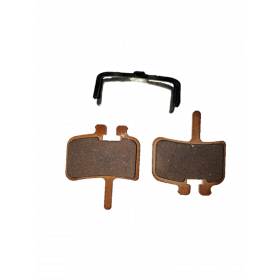 New product -42%Avid Juicy BB7 Fibrax brake pads
- €7.53
- €12.99
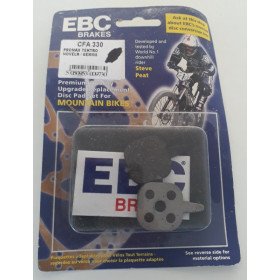 New product -50%Promax Tektro Novela Gemini EBC CFA 330 brake pads
- €5.50
- €10.99
 New product
 New product
 New product
 New product
 New product
 New product
 New product
 New product
 New product
 New product
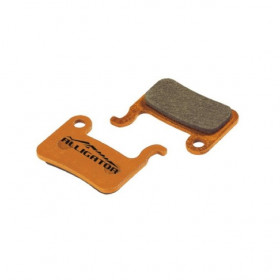 New product
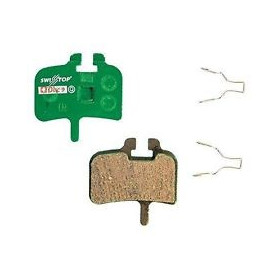 New product
 New product
 New product
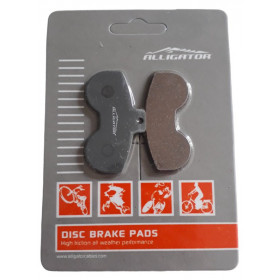 More detailsNew product Out-of-Stock
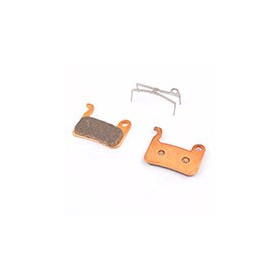 More detailsNew product Out-of-Stock
Showing 1-97 of 97 item(s)
MTB disc brake pads play a crucial role in the braking system by determining braking power, modulation, and durability. Their composition and design vary depending on the riding conditions and the needs of the cyclist. Here is a detailed guide to understanding the types, characteristics, and brands of MTB brakes pads.
1. Types of MTB brake pads:
a. Organic platelets (or resin)
Composition: Mixture of synthetic resin and organic fibers.
Benefits :
Quiet, even in the rain.
Good modulation (progressive braking).
Effective from the first use (no need for intensive break-in).
Disadvantages:
Less resistant to heat and wear.
Less effective in muddy or very wet conditions.
Ideal for: Cross-country, light trail running and occasional practices.
b. Metallic (or sintered) plates
Composition: Sintered metal with metal particles pressed under high temperature.Benefits :
Very heat resistant (perfect for long descents).
Exceptional durability, even in muddy or wet conditions.
More powerful for intense braking.Disadvantages:
Noisy, especially in the cold or in the rain.
Less progressiveness in braking.
Ideal for: Enduro, downhill, and long mountain outings.c. Semi-metallic inserts
Composition: Mixture of resin and metal particles.Benefits :
Good compromise between modulation and durability.
Performs well in varied conditions.Disadvantages:
Less silent than organic ones.
Less resistant than metal ones in extreme conditions.
Ideal for: Versatile practices such as trail running and moderate enduro.d. Ceramic inserts
Composition: Mixture of ceramic and resin or metal.Benefits :
Very good heat dissipation.
Reduced noise and disc wear.Disadvantages:
Higher price.
Ideal for: Demanding riders looking for gentle and constant braking.2. Technical characteristics of MTB brake pads:
a. Form and compatibility
Each MTB brake model requires specific pads (Shimano, SRAM, Magura, etc.).
Check compatibility with your calipers before purchasing.b. Pad trim
The pad determines the braking ability, durability and heat resistance.
Organic pads are suitable for small discs, while metallic ones are ideal for large discs subject to heavy use.c. Support plates
The plates are fixed on metal plates (steel, aluminum or copper):Aluminum plates: Lighter, better at dissipating heat.
Steel plates: Stronger, but heavier.
Plates with fins: Dissipate heat to prevent overheating (e.g. Shimano Ice-Tech).d. Thermal resistance
Metal pads or pads with cooling technology are designed to withstand long descents.
3. Popular brands of MTB brake pads:
a. Shimano
J02A Resin (organic): Quiet, with fins to reduce heat.
G03S Metal: Durable, ideal for demanding practices such as enduro.
Ice-Tech: Pads equipped with fins for optimal heat management.
b. SRAM
Organic: Good modulation for cross-country and trail running.
Metallic: Very robust, ideal for Guide or Code brakes in extreme conditions.c. Magura
Performance: Semi-metallic pads offering a good compromise between durability and power.
Race: Organic pads designed for competition, with very responsive braking.
Endurance: Metal pads, perfect for long descents and electric mountain bikes.d. Galfer
Advanced: Versatile semi-metallic compounds.
Pro: High performance in competition, with impressive durability.e. Hope
Standard: Organic pads for quiet and progressive braking.
Sintered: Metal pads for maximum power and durability.f. SwissStop
Disc 26 Organic: Organic pads for precise and gentle braking.
Disc 28 Exotherm: Metal pads with cooling plate for optimal performance.g. TRP
Pads developed for specific calipers like the TRP Slate or Quadiem, available in organic and metallic versions.4. Tips for choosing your MTB brake pads
Identify your practice:
Leisure or XC: Organic pads.
Trail or moderate enduro: Semi-metallic pads for good balance.
Intense enduro or downhill: Metal pads.Take into account the climatic conditions:
Humidity or mud: Prefer metal ones for their durability.
Dry terrain: Organics offer good power and quiet braking.Evaluate your maintenance needs:
Metal pads require fewer replacements, but they can wear out rotors more quickly.Opt for advanced technologies:
If you often ride long descents, choose pads with cooling systems or fins.In summary
MTB brake pads come in several types (organic, metallic, semi-metallic, or ceramic) to meet the specific needs of cyclists. Major brands like Shimano, SRAM, Magura, and Galfer offer options suited to every practice and condition. Take the time to choose carefully based on your riding style, terrain and compatibility with your brakes to optimize your performance and safety on the trails.
Others components for MTB brake :
Disc brake
Rim pads
Disc brake adapter
There are 97 products.