
-
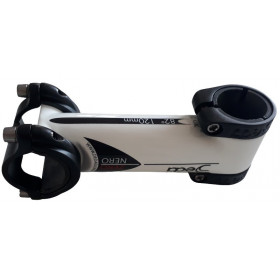 New product -65%Dedacciai Zero Nero road bike stem
- €54.25
- €154.99
 New product
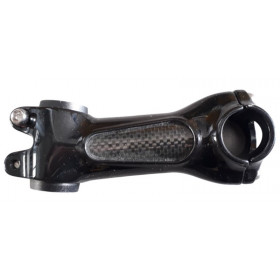
 UsedCinelli Vintage 1 inch stem
- €37.99
 New product -38%Deda Superzero stem 8 degrees
- €69.43
- €111.99
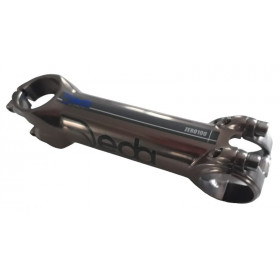 New product -50%Dedacciai Zero100 road bike stem 130 mm
- €47.50
- €94.99
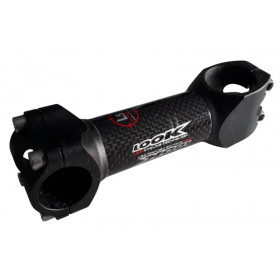 Used
Used New product -50%Ritchey WCS 4axis 44 road bike stem 6 degree
- €48.00
- €95.99
 New product -55%Crankbrothers Cobalt 3 stem 110 mm
- €40.50
- €89.99
 New product -40%FSA Omega OS 168 road bike stem 110 mm 1" 1/8 OS 6°
- €23.99
- €39.99
 Used
Used New product
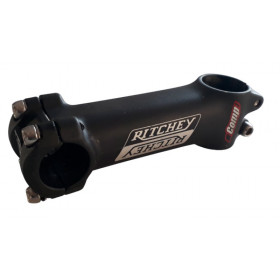 New product -31%Ritchey comp road bike stem 110 mm
- €20.00
- €28.99
 New product
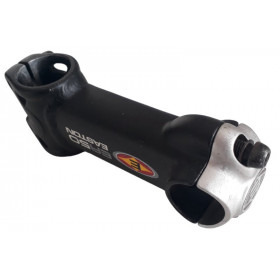 Used
Used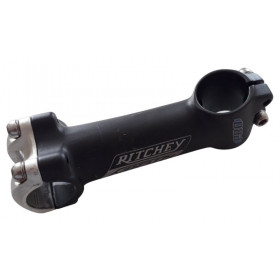 Used
Used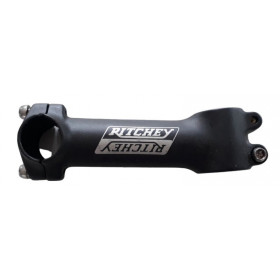 Used
Used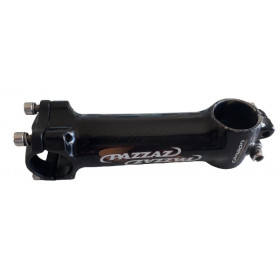 Used
Used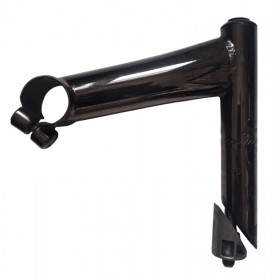 New product
 Used
Used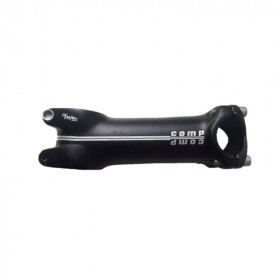 New product -50%Road bike stem Decathlon btwin comp 110mm
- €10.00
- €19.99
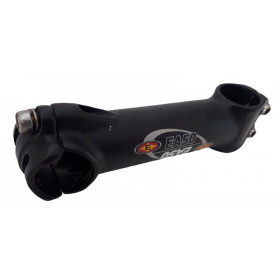 Used -60%Road bike stem 130 mm Easton EA50
- €14.00
- €34.99
 Used
Used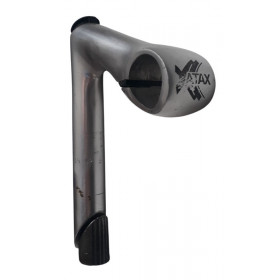 UsedAtax plunger stem
- €9.99
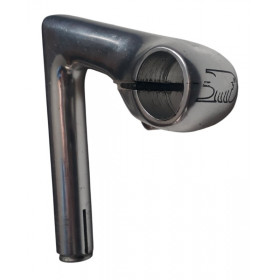 Used22.2 mm stem 3T 95 mm
- €9.99
 Used
Used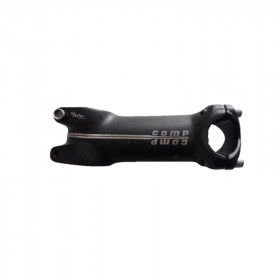 Used
Used New product UsedBianchi stem 120 mm
- €19.99
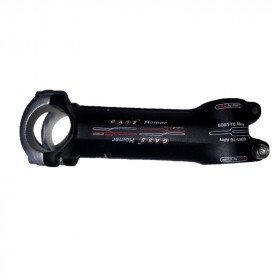 Used
Used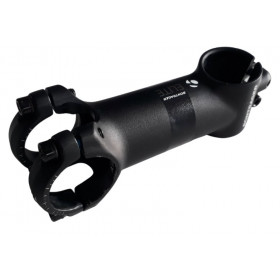 New product -30%Stem 100 mm Bontrager Elite OS
- €27.99
- €39.99
 Used
Used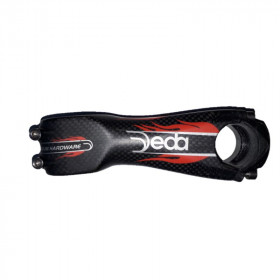 Used
Used Used
Used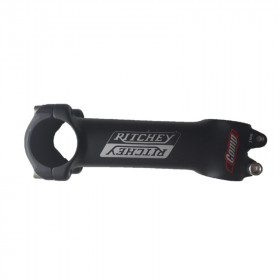 New product -31%Ritchey stem Comp 120 mm
- €20.00
- €28.99
 Used
Used Used
Used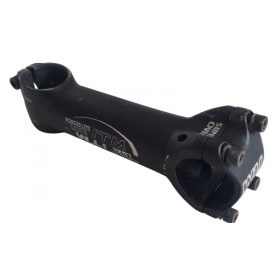 Used
Used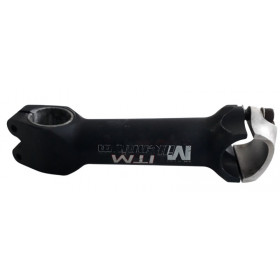 Used
Used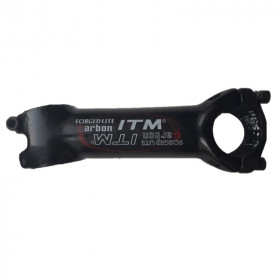 Used
Used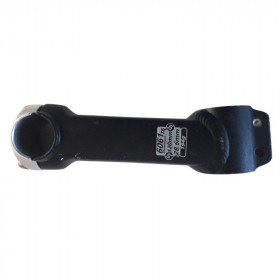 Used
Used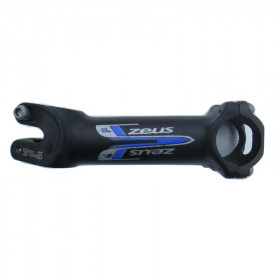 UsedZeus SL stem 130 mm 1"1/8 OS
- €11.90
 Used
Used New product
 Used
Used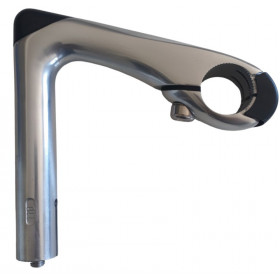 More detailsNew product New Out-of-StockCinelli plunger stem 110 mm
- €19.99
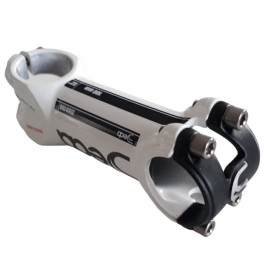 More detailsNew product -50% Out-of-StockDedacciai Zero100 stem white OS
- €47.50
- €94.99
 More detailsNew product -55% Out-of-StockDeda 35 road bike stem 120 mm
- €58.50
- €129.99
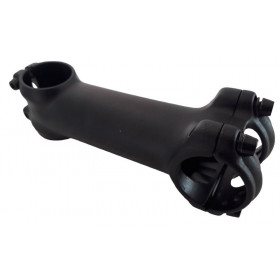 More detailsNew product -35% Out-of-Stock4ZA forza road bike stem 1" 1/8 OS
- €19.49
- €29.99
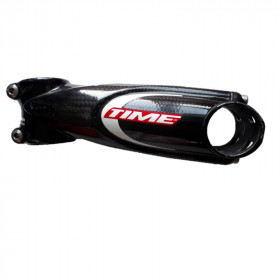 More detailsUsed Out-of-Stock
Showing 1-48 of 48 item(s)
Choosing the right road bike stem: characteristics, specifics, and tips
The road bike stem is a central road bike part of the cockpit, often overlooked by beginner cyclists. Yet, this bike stem plays an essential role in comfort, handling, and the overall performance of the road bike. Choosing the right road bike stem optimizes posture, improves handling responsiveness, and reduces fatigue on long distances. Whether you're looking for a short road bike stem for a more compact and responsive position, or a carbon road bike stem for lightweight and rigidity, it's crucial to understand the specifics of this component. Here's a comprehensive overview to guide you in choosing the road bike stem best suited to your practice.
What is a road bike stem ?
The road bike stem is an essential road bike component of the cockpit, connecting the road bike handlebar to the road bike fork's pivot. It links the cyclist's hands to the rest of the bike, transmitting handlebar movements to the steering via the road bike headset. By its shape and configuration, the stem directly influences the cyclist's position, steering angle, and the bike's responsiveness on the road. It's a component at the crossroads of ergonomics, comfort, and performance.
Fixed or adjustable, short or long, made of aluminum or carbon, each type of road bike stem precisely influences your posture, handling, and riding sensations. Choosing the right one means adapting your bike to your morphology and riding style to get the best out of every ride.
Characteristics of a road stem
Here are the key elements to consider when choosing your road stem:
1. Stem length
The length directly influences the cyclist's posture. A short road bike stem (60 to 90 mm) is ideal for cyclists looking for a more upright and maneuverable cockpit, especially for urban use or beginners. Conversely, a long stem (100 to 130 mm) favors a more stretched, aerodynamic position, ideal for performance.
2. Inclination angle
The angle typically varies between 6° and 17°. A stem with a positive angle allows for a more comfortable position. A negative angle lowers the handlebar for a more aggressive position. An adjustable road bike stem offers the possibility to adjust the inclination according to your preferences, a wise choice for cyclists in the adjustment phase or in rehabilitation.
3. Diameter
Ensure compatibility between the handlebar diameter (often 31.8 mm) and the fork pivot diameter (often 1"1/8). The stem must perfectly match the dimensions to ensure a good fit and avoid any play in the cockpit.
Materials: between robustness and lightness
The choice of material for your road bike stem plays a fundamental role in the overall behavior of your bike. It directly impacts weight, rigidity, vibration absorption, and budget. Two main families of materials dominate the road bike stem market.
Aluminum: this is the most common material. Lightweight, rigid, and economical, it offers an excellent quality/price ratio. An aluminum road bike stem is perfectly suitable for most cyclists, whether amateurs or experienced, offering proven reliability without weighing down the bike.
Carbon: for cyclists seeking maximum performance, the carbon road bike stem is the preferred choice. A carbon road bike stem is ultra-lightweight, often more rigid, and also better filters vibrations, improving comfort on long distances. It is particularly recommended for high-end bikes and competition-oriented practices.
If you're looking for an ultra-performant and minimalist component, a lightweight carbon road bike stem represents an excellent compromise between weight savings and handling efficiency.
Different types of road bike stems
There are several types of road bike stems, each adapted to a riding style or a particular bike configuration.
The classic screw-on stem: still used on vintage bikes or vintage-style models, it screws inside the fork pivot. Although technically outdated, it retains a certain aesthetic and remains functional.
The aheadset stem: this is the current standard on most modern road bikes. This road bike stem attaches directly around the fork pivot using a clamping system. It offers better rigidity, greater steering precision, and simpler adjustment. It can be associated with a road bike stem riser to adjust the handlebar height without changing the stem itself, which is particularly useful for postural adjustments.
The adjustable stem: much appreciated by touring cyclists or beginners, this version allows for simple and quick adjustment of the inclination angle. It is an excellent solution for gradually refining your position on the bike without having to multiply the components.
Road bike stem: how to choose the right one ?
Choosing the right road bike stem is an essential step to improve your comfort, posture, and performance. A poorly adapted road bike stem can cause pain, reduce the effectiveness of your efforts, or affect your bike control. It is therefore crucial to carefully select your road bike stem by considering several criteria.
Your morphology: the length and angle of the road bike stem must be adapted to your size, arm length, and flexibility. A postural study or adjustment made by a professional will help you determine the ideal road bike stem size and the configuration for your body.
Your cycling practice: the type of cycling you practice directly influences the choice of the road bike stem. If you cycle recreationally or for long distances, opt for a higher and more comfortable stem. On the other hand, for competitions or triathlons, a longer and lower stem will improve aerodynamics and efficiency.
The frame geometry: carbon frames or endurance-oriented frames may impose particular constraints on angles or lengths, thus limiting mounting options. Therefore, ensure that the road bike stem is compatible with the frame and the headset of your bike before making your choice.
Your skill level: experienced cyclists will generally prefer a rigid, precise, and lightweight stem, such as a carbon road bike stem. Beginners, on the other hand, will be more comfortable with an adjustable or shorter road bike stem, allowing for gradual adjustments to facilitate bike handling.
If you wish to change the road bike stem, it is important to carefully consider these criteria to ensure an optimal and tailored riding experience.
In Summary
The road bike stem is much more than just a metal tube. It is a key element that directly influences your comfort, position, and performance on the saddle. Whether you choose a classic road stem, a short road bike stem, an adjustable road bike stem, or a carbon road bike stem, take the time to understand your needs.
Adapting your road bike stem to your riding style also means optimizing your sensations, reducing postural pain, and maximizing your performance, whatever your goal.
Others peripherals road bike components :
Road bike saddle
Road bike pedals
Road bike handlebars
Additionnal articles :
Carbon stem for road bike
Road bike stem riser
Road bike stem change
Road bike stem adjustment
What length for a road bike stem ?
Road bike stem compatibility
Road bike stem by riding style
Aluminium road bike stem
Deda road bike stem
Best road bike stem brands
There are 48 products.