
-
 New product
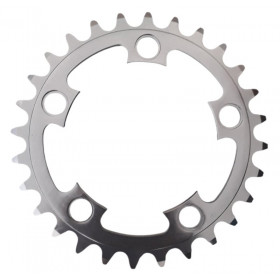
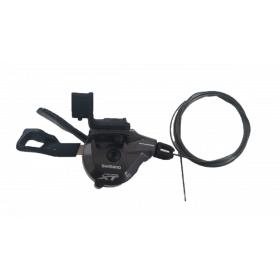
 New product -28%Shifter Shimano XT DI2 SW-M8050
- €89.96
- €124.95
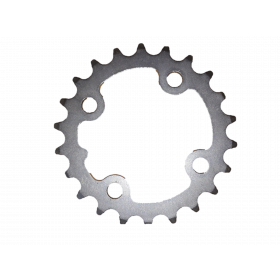
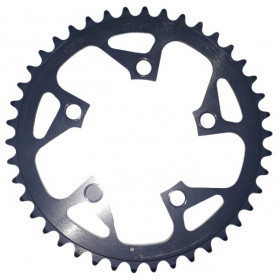 New product -25%Stronglight chainring 94 mm 8 9 speed
- €18.53
- €24.70
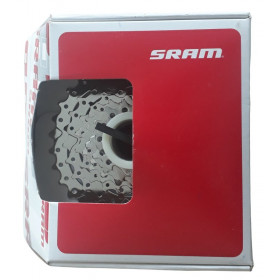 New product -45%Cassette 7s MTB 12-32 Sram PG-730
- €10.42
- €18.95
 New product
 Used New
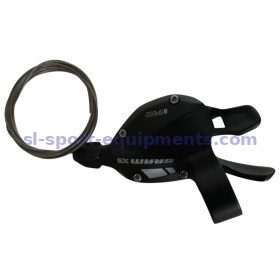 New product Used NewShifter Sram X5 9s
- €20.99
 New product New
 New product
 New product
 New productShifter Shimano XTR SL SS95
- €44.99
 New product
 New product
 New productShifters Shimano DX ST-M075 3x7s
- €299.99
 UsedShifter Sram X0 11s
- €48.99
 New product
 New product
 New product -37%Right shifter Shimano Deore SL-M6100 12s
- €28.97
- €45.99
 New product -50%Left shifter Shimano XTR SL-M9000-L
- €66.97
- €133.95
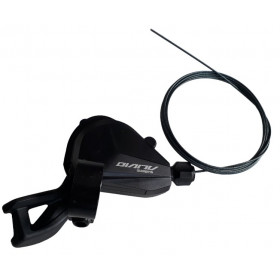 New product -40%Left shifter Shimano Alivio SL-M3100
- €15.89
- €26.49
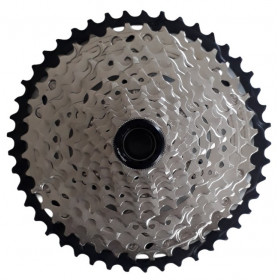 New product -43%Shimano SLX CS-M7100 MTB cassette 12s 10-45
- €79.79
- €139.99
 New product
 New product
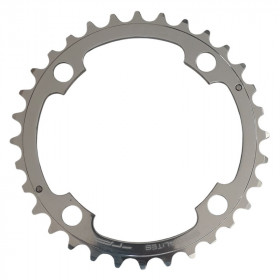 New product -18%MTB chainring 32 teeth TA Chinook 104 mm
- €35.18
- €42.90
 New product
 New product
 New product
 New product
 New product
 New product
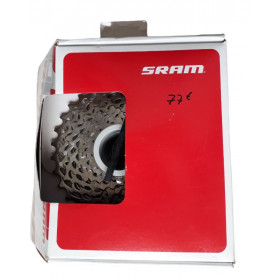 New product -35%Sram X7 PG1050 MTB cassette 10s 11-32
- €55.24
- €84.99
 More detailsNew product New Out-of-Stock
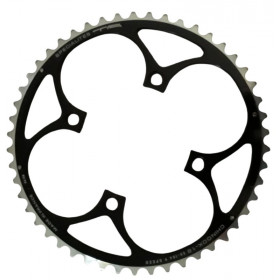 More detailsNew product -20% Out-of-StockMTB chainring 50 teeth TA Chinook 104 mm
- €39.99
- €49.99
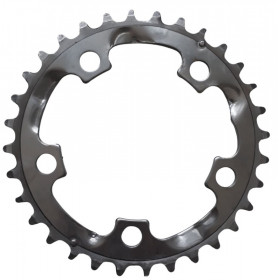 More detailsNew product Out-of-Stock
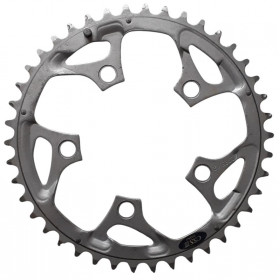 More detailsNew product Out-of-StockSugino chainring 42 teeth
- €14.99
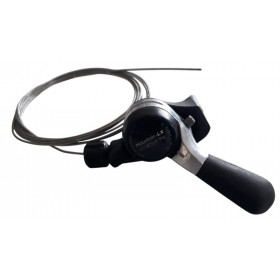 More detailsNew product Out-of-Stock
 More detailsNew product Out-of-StockChain cassette Sram 8 speed
- €29.99
 More detailsNew product Out-of-Stock
 More detailsNew product -38.8% Out-of-StockShimano MT500 chainring 40 teeth 96 mm 10 speed
- €20.19
- €32.99
 More detailsUsed Out-of-StockShifter Sram XX1 11s
- €48.99
 More detailsUsed Out-of-StockGrip shift Sram 9.0
- €24.99
 More detailsNew product Out-of-Stock
 More detailsUsed Out-of-Stock
 More detailsUsed Out-of-Stock
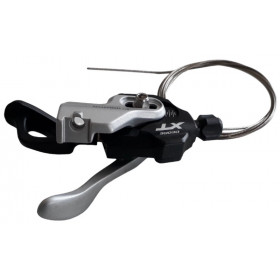 More detailsNew product -53% Out-of-StockLeft shifter Shimano XT SL-M780-B-IL
- €25.38
- €53.99
 More detailsUsed Out-of-Stock
 More detailsNew product Out-of-Stock
 More detailsNew product Out-of-Stock
 More detailsUsed Out-of-Stock
Showing 1-49 of 49 item(s)
The MTB drivetrain (XC) plays a central role in performance and efficiency, allowing the rider to transfer power from their legs to the rear wheel and adapt their effort to the different slopes and terrain encountered . Here are the functions, main components and major brands of MTB xc drivetrains.
Function of MTB drivetrain :
The transmission of an XC mountain bike is designed to:
- Optimize pedaling: By offering ratios adapted to uphill, downhill and flat terrain.
- Reduce weight: For XC, lightness is essential, as it helps improve speed and handling uphill.
- Improve precision: Fast, precise shifting is crucial for racing or riding in varied terrain.
Components of the MTB drivetrain :
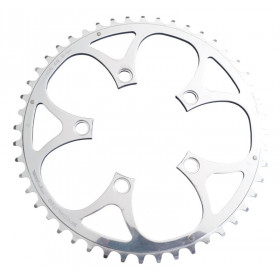
1. Crankset:
- Located at the front, the crankset generally includes a single chainring in modern XC mountain bikes (single chainring configuration).
- Function: Convert pedaling energy into movement and drive the chain.
- Particularity in XC: The single chainring (1x) is preferred for its simplicity, its reduced weight and its efficiency. It also simplifies shifting by only requiring a rear derailleur.
2. Cassette :
The cassette is a set of gears located at the rear, on the wheel hub.
- Function: Offer a range of gears to adapt to variations in slope and terrain.
- Particularity in XC: 10, 11 or 12 speed cassettes are common, with a large sprocket of up to 50 or even 52 teeth to facilitate difficult climbs.
3. Chain :
It connects the chainring to the cassette sprocket, transmitting pedaling power to the rear wheel.
- Function: Connect the different elements of the transmission and transmit energy.
- Particularity in XC: It must be light, resistant and compatible with the MTB gear system, particularly for 12-speed single-chainring transmissions.
4. Rear derailleur:
The rear derailleur is responsible for moving the chain from one cog to another on the cassette.
- Function: Ensure smooth and precise gear shifting at the rear, to adapt to the terrain.
- Special feature in XC: The derailleurs have chain tensioning technologies to prevent chain jumps on rough terrain (for example, the Shadow+ system at Shimano or Type 3 at SRAM).
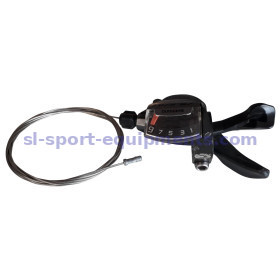
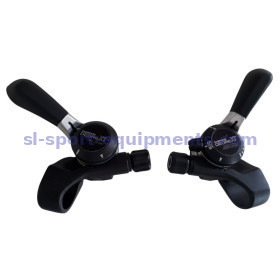
5. Shifter :
Located on the handlebars, the gear lever allows you to change gears via a lever or trigger.
- Function: Allow the cyclist to shift gears depending on the terrain and effort.
- Particularity in XC: The controls must be ergonomic and intuitive to allow rapid changes, often with one hand.
Major brands of MTB drivetrain :
1. Shimano:
- Transmission range: XT and XTR for the top of the range XC.
- Features: Known for its reliability and precision. The XT and XTR series offer 12-speed cassettes with Hyperglide+ technology for smooth shifts even under load.
- Advantages: Fast and precise shifting, high durability, and excellent chain management (Shadow+).
2.SRAM :
- Transmission range: GX, X01 and XX1 Eagle for XC.
- Features: Pioneer in single chainring, with a wide range of gears (up to 52 teeth on certain Eagle 12 speed models).
- Advantages: Lightweight, wide gear range, and quick shifting systems with excellent chain management (Type 3 Roller Bearing Clutch).
3. Rotor:
- Transmission range: 1x13. Features: Offers 13-speed transmission systems with a wide ratio range to suit XC.
- Advantages: Versatile, lightweight and effective for those looking for an alternative to traditional brands.
4. FSA (Full Speed Ahead) :
- Transmission range: K-Force and Afterburner.
- Features: Known for high-end components, but less common than Shimano and SRAM.
- Advantages: Interesting alternative for a light and high-performance XC assembly.
5. Box Components:
- Transmission range: Box One and Box Two.
- Features: New brand in the MTB field with a different approach to single chainring and quick gear changes.
- Advantages: Innovative and affordable products, suitable for cyclists looking for an alternative.
Choice of MTB drivetrain :
The choice of transmission will depend on several factors:
- Budget: Shimano and SRAM dominate the market, but alternatives like FSA or Box Components offer interesting options.
- Number of speeds: 12 speed has become the standard in XC, but some prefer 13 speed systems like Rotor for better progression.
- Specific technologies: Technologies like Shimano's Shadow+ system and SRAM's Roller Bearing Clutch help keep the chain in place in XC.
A good XC MTB drivetrain is one that is reliable, lightweight and suited to the terrain, with value for money that meets the rider's needs.
There are 49 products.