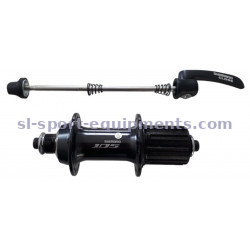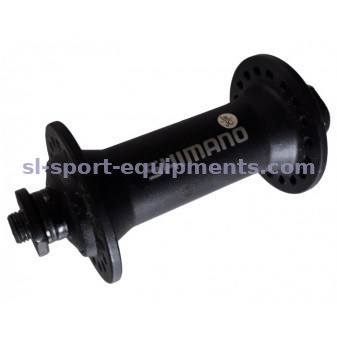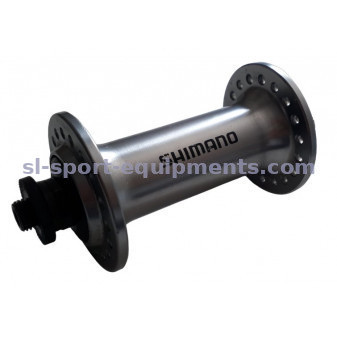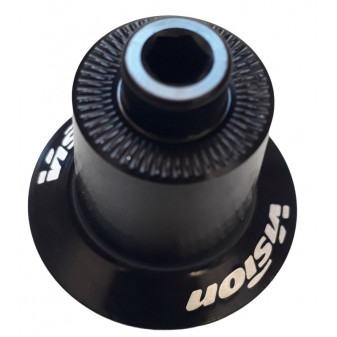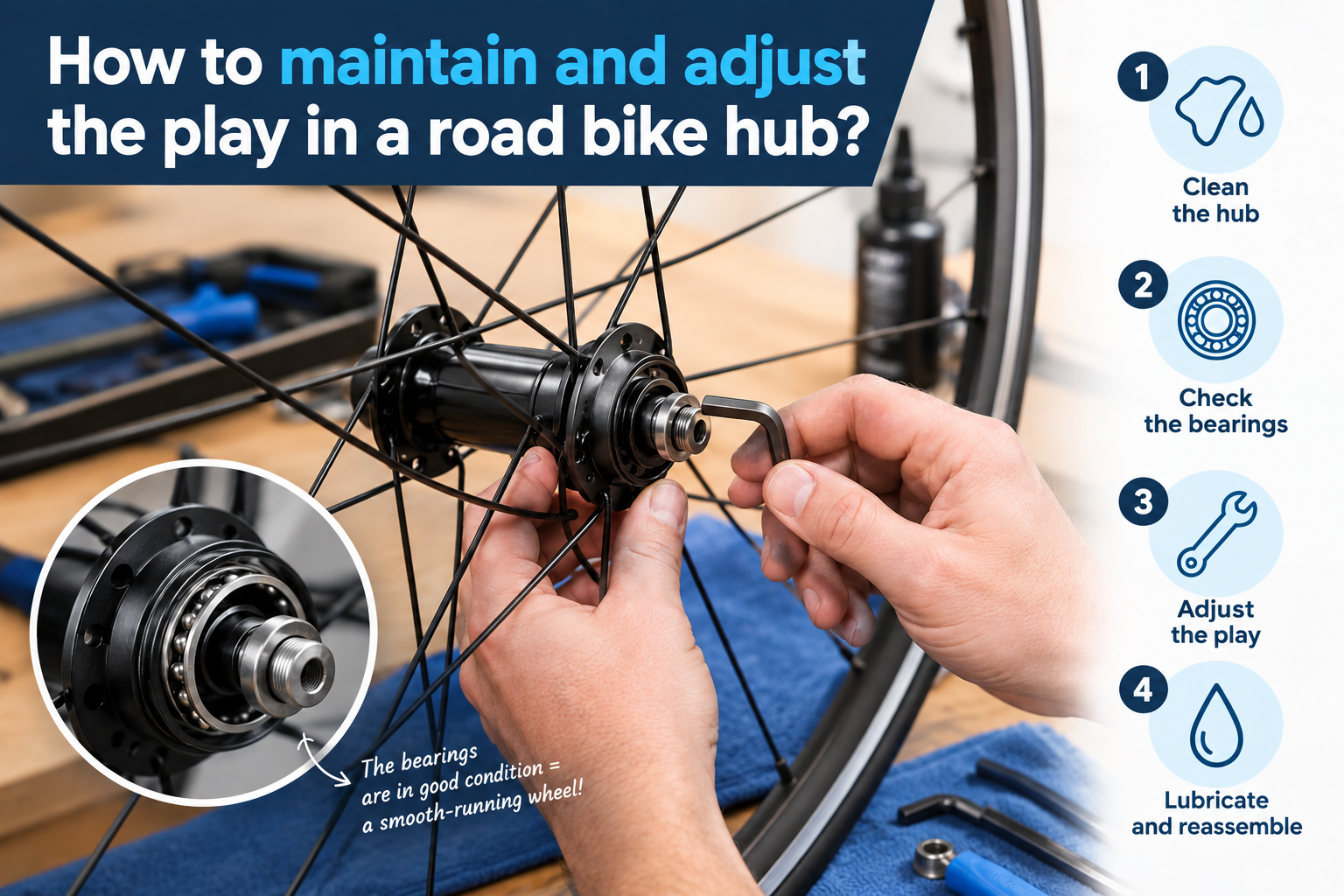
A well-maintained hub can last tens of thousands of kilometres. The good news: servicing it stays accessible at home with a few simple tools, as long as you work methodically. Here's our step-by-step guide.
Browse our selection of hub road bike, as well as our Bike tools and Cleaning and lubrication categories.
1. Why and how often should you service your hub?
Regular servicing keeps rotation smooth, prevents premature bearing wear, and lets you spot a problem before it gets worse. In practice, cleaning and regreasing every 5,000 to 10,000 km is enough under normal conditions, an interval you should shorten if you ride frequently in the rain or on salted winter roads.
A few signs should prompt earlier attention:
- An unusual noise (creaking, cracking) coming from the wheel
- Noticeable play when you grab the rim and move it sideways with the wheel off the ground
- Resistance to rotation, the wheel stopping faster than before when spun by hand
2. Cup-and-cone or cartridge bearings: two different types of servicing
Cup-and-cone bearings: can be stripped, cleaned and adjusted
Classic cup-and-cone bearings are designed to be stripped, cleaned and adjusted. This is the most accessible type of maintenance to do at home.
Sealed cartridge bearings: minimal maintenance, replacement rather than adjustment
Sealed cartridge bearings can't be adjusted: they either work or they're worn. Maintenance is generally limited to external cleaning and periodic play checks.
3. What tools do you need?
- Cone spanners (for cup-and-cone hubs)
- An Allen key or suitable extractor (for thru-axles and certain freehub bodies)
- Bike degreaser
- A hub-specific grease (ideally water-resistant)
- A clean cloth and, ideally, a small container to hold the bearing balls
4. Steps to clean and grease a cup-and-cone hub
Allow around 20 to 30 minutes per wheel for this operation.
- Remove the wheel from the bike and take off the tyre and inner tube to access the hub.
- Loosen the locknut with a cone spanner, holding the opposite cone in place.
- Remove the axle carefully, taking care not to drop the bearing balls.
- Retrieve and clean the balls along with the cups and cones using the degreaser, then dry thoroughly.
- Inspect the surfaces: any pitted, marked or corroded cups or cones should be replaced rather than reused.
- Apply fresh grease to the cups, replace the balls, then reassemble the axle.
- Tighten progressively, the cone then the locknut, checking play as you go.
5. How to adjust hub axial play?
- Excessive play: you feel the rim move sideways when you grab it with the wheel off the ground
- Overtightening: the wheel takes time to spin freely, or stops in an irregular, jerky way
Caution: make small adjustments one at a time. Tighten the cone slightly, lock it with the locknut, then test the wheel. Repeat until you get smooth rotation, with no noise or tight spot, and no noticeable play. Several small adjustments are better than one rushed, over-tightened attempt.
6. Servicing a sealed cartridge hub
On a cartridge hub, home maintenance is generally limited to cleaning the axle and seals externally, and periodically checking for play. If play appears or rotation becomes irregular, the cartridge is generally worn and needs to be replaced with a new one.
7. Should you take it to a professional?
A trip to a workshop is recommended if your hub uses a proprietary system requiring a brand-specific tool, if you notice damage to the axle or the frame itself, or if you're not confident adjusting play. When in doubt about any intervention, it's better to have a mechanic do it than risk damaging the hub.