-
 New product -51%Flash wheels Legend front wheel
- €98.00
- €199.99
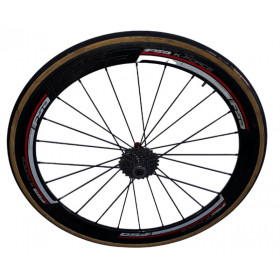 Used
Used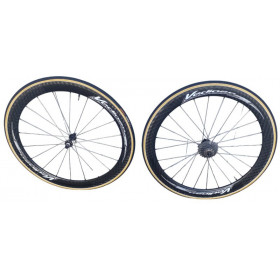 Used
Used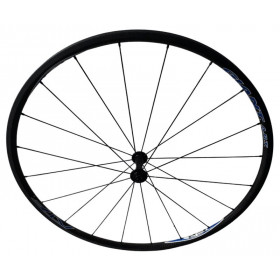 New product
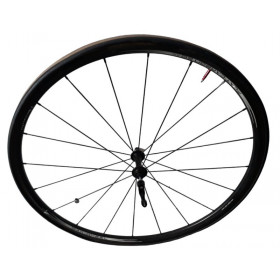 New product
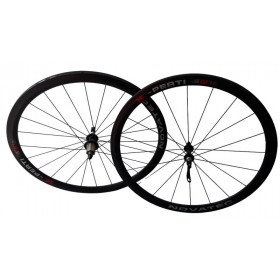 New product -34%Carbon road wheelset Novatec X-perti W1 tubular
- €659.99
- €999.99
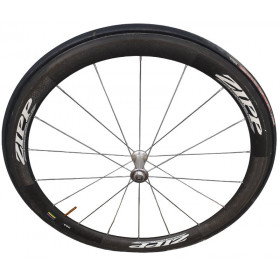 UsedZipp 303 carbon front wheel used
- €219.99
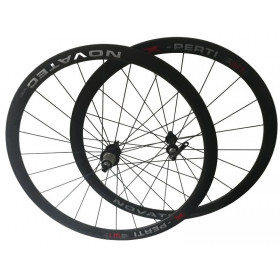 New product -34%Carbon wheelset Novatec Xperti W1 Shimano
- €653.40
- €990.00
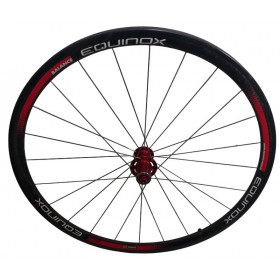 New product -28%Carbon rear wheel Equinox balance RT033 tubular
- €431.99
- €599.99
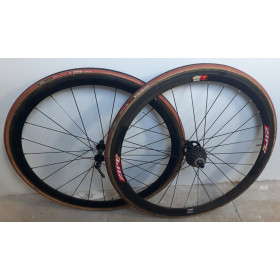 UsedZipp tubular carbon wheels
- €289.99
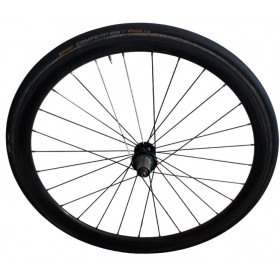 More detailsUsed Out-of-Stock
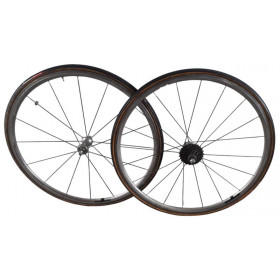 More detailsUsed Out-of-Stock
Showing 1-12 of 12 item(s)
Tubular wheel: the choice of demanding road cyclists
Among the different types of wheels used in road cycling, the tubular wheel holds a special place. Long favored by professional riders, it remains a popular option for cycling enthusiasts seeking performance and unique riding sensations. But what truly sets a tubular wheel apart from a clincher road bike wheel , tubeless model, used carbon road bike wheels or carbon brake rim wheels?
What is a tubular wheel ?
A tubular wheel is designed to accommodate a tubular tire, which is a closed tire with the inner tube sewn directly inside. This tubular is then glued or taped onto the rim, unlike traditional clincher wheels that use a bead to hold the tire in place.
This system, while more technical, requires some skill during installation but offers undeniable advantages for competitive cyclists.
Key characteristics of a tubular wheel
-
Lightweight: tubular wheels are generally lighter than clincher wheels, mainly due to the absence of a bead and the use of slimmer rims. This reduced weight improves reactivity and responsiveness on the bike.
-
Optimal efficiency: the strong bond between the tubular and the rim reduces energy loss, delivering a smoother ride and better power transfer while pedaling.
-
Comfort: thanks to adjustable pressure and the flexible structure of the tubular, road vibrations are better absorbed.
-
Safety in case of puncture: unlike a clincher tire that can unseat from the rim, a tubular stays glued, reducing the risk of sudden crashes.
Specific features of tubular wheels for road racing
-
Designed for competition: tubular wheels remain the top choice for mountain stages, time trials, and track cycling. Their light weight and stiffness allow for quick accelerations and efficient climbing.
-
Specific compatibility: only rims built for tubulars can accommodate them, which means riders need to invest in a dedicated wheelset.
-
Technical installation: gluing a tubular requires precision and drying time. Some cyclists now opt for double-sided adhesive tape, which is easier to use.
-
Maintenance and logistics: in case of a puncture, replacing a tubular is more complicated than swapping a clincher tire. Professional riders benefit from team support, but for amateurs, it can be more of a hassle.
Tubular or clincher wheels: which should you choose ?
The choice between a tubular wheel and a clincher wheel depends on your needs:
-
For racing, the tubular remains unmatched in terms of performance and responsiveness.
-
For training or long rides, a clincher or tubeless wheelset is usually more practical and cost-effective.
Conclusion
The tubular wheel still carries a prestigious reputation in the cycling world. Symbolizing both performance and tradition, it continues to attract road racers despite the rise of tubeless systems. While it requires more care and maintenance, its advantages in terms of weight, comfort, and efficiency make it a top choice for demanding cyclists.
Others types of road bike wheels :
There are 12 products.