-
 New product
 New product
 New product
 New product
 New product
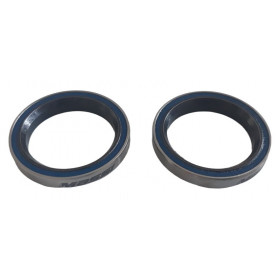 New product
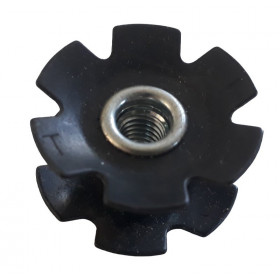
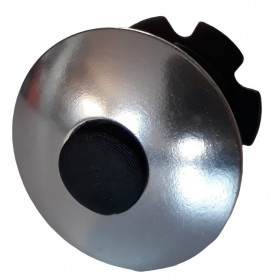 New product -20%Bike headset cap and star for stem
- €5.59
- €6.99
 Used
Used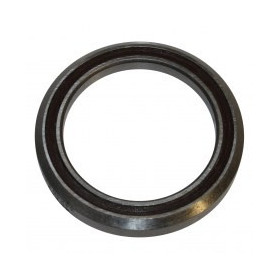 New product
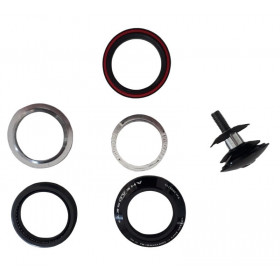
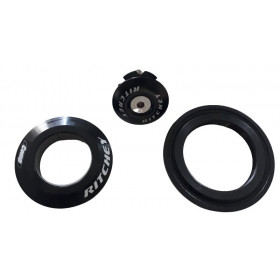 New product -30%Semi-integrated tapered headset 1"1/8 1"1.5 Ritchey comp
- €24.49
- €34.99
 New product
 New product
Road bike headset: everything you need to know before replacing or upgrading
The road bike headset is a component often overlooked, yet it plays a key role in how your bike handles. Located between the road bike fork and the frame, the headset allows the rider to steer with precision and smoothness. Whether you're building a new bike from a road bike frame kit or replacing a worn-out headset, understanding its features and specifications is essential for optimizing comfort and performance.
What is a road bike headset for ?
The bicycle headset connects the road bike stem, the head tube of the road bike frame, and the road bike fork steerer. It consists of bearings, cups, and compression rings, which enable smooth rotation of the handlebars. It also absorbs the mechanical stress caused by road irregularities and steering forces.
A quality road headset ensures:
-
Precise steering,
-
Enhanced stability,
-
Improved durability,
-
Responsive cornering.
Types of road bike headsets
1. Threaded headsets: the classic 1-inch design
Still found on some vintage or classic road bike frames, the 1-inch road bike headset uses a threaded system where the stem screws into the fork steerer. While this standard is becoming rare, it's still relevant for older builds.
2. Threadless headsets (Aheadset)
Now widely used, this system features a smooth steerer tube and a star nut or expander, with the stem clamped in place. Several sizes exist:
-
1 1/8" (the most common standard),
-
1 1/4" or 1 1/2" for modern aero frames or high-end frame kits.
3. Integrated, semi-Integrated, and external headsets
-
External: The headset cups are mounted outside the head tube. Durable but bulkier in appearance.
-
Semi-integrated: Cups are partially inserted into the frame. A good balance between aesthetics and strength.
-
Integrated: Headset bearings sit directly in the frame without external cups. Lightweight and sleek — ideal for racing bikes.
How to choose the right headset
To find the right road bike headset, consider these factors:
-
Fork steerer diameter,
-
Headset type (threaded or threadless),
-
Inside diameter of the frame’s head tube,
-
Stack height (helpful for adjusting your position without changing the stem).
Pay close attention to the bearing quality: sealed bearings offer better longevity and require less maintenance. Some high-performance models even come with ceramic bearings, valued for their smoothness.
Headset maintenance tips
Your road headset should stay clean, greased, and properly adjusted. If you notice creaking, stiffness, or play, it's time to clean, regrease the bearings, or replace the headset. Adjustment is critical: too tight, and steering becomes stiff; too loose, and you risk premature wear.
Conclusion
Essential to your bike's steering and comfort, the headset deserves your full attention. Whether you ride a modern road frame or a vintage build, there’s a suitable headset for you. A good headset means smoother rides, sharper turns, and a more reliable bike.
Take care of your headset bearings, check torque regularly, and always verify compatibility when switching your fork or upgrading your road bike frame kit. A properly installed road bike stem and a quality headset go hand in hand to elevate your riding experience.
There are 13 products.