
-
 New product
 New product
 New product -35%Grip shift handle Sunrace
- €7.79
- €11.99
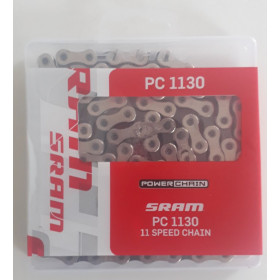 New product -10%Sram chain 10s PC1130
- €22.49
- €24.99
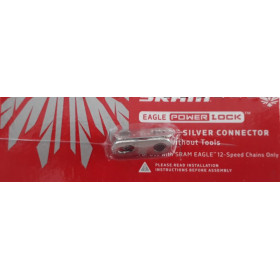
 New productQuick connect Sram chain
- €2.99
 New product
 New product
 New product
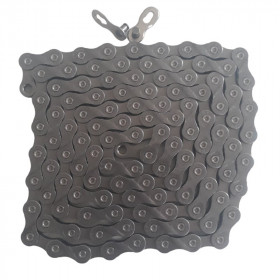 New product -25%9s MTB chain KMC X9
- €11.96
- €15.95
 New product -42%MTB rear derailleur shimano deore rd-m6100-sgs 12s
- €38.27
- €65.99
 New product -25%
 New product
 Used
Used New product
 New product -28%Shifter Shimano XT DI2 SW-M8050
- €89.96
- €124.95
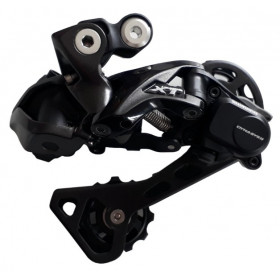 New product -20%Rear derailleur Shimano XT RD-M8050 DI2 GS 11s
- €311.99
- €389.99
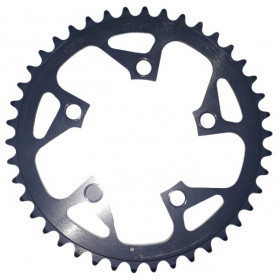 New product -25%Stronglight chainring 94 mm 8 9 speed
- €18.53
- €24.70
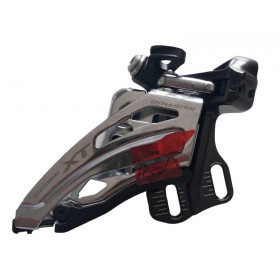 New product -17%Shimano deore xt fd-m8020-e 2x11s direct mount front...
- €35.68
- €42.99
 New product Used
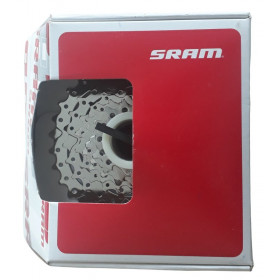 New product -45%Cassette 7s MTB 12-32 Sram PG-730
- €10.42
- €18.95
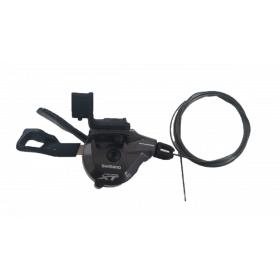 New product
 New product New
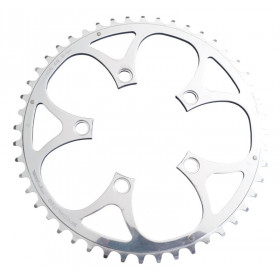 New product New
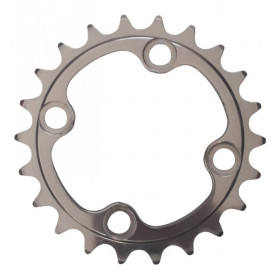 New product
 New product
 New product
 New product
 New product
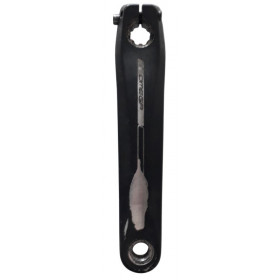 Used
Used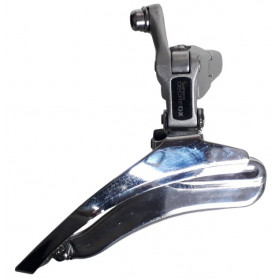 New product
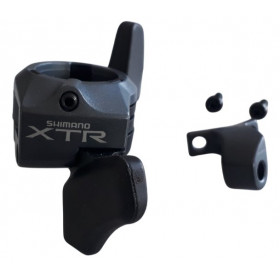 New productShifter Shimano XTR SL SS95
- €44.99
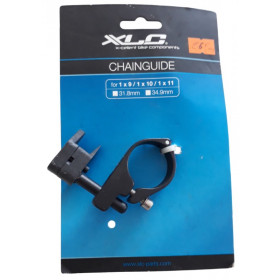 New product
 New product -60%FSA V-Drive crankset triple 175 mm
- €56.40
- €140.99
 Used
Used New product
 New productChain cassette Sram 8 speed
- €29.99
 New product
 Used
Used New product
 New productShifters Shimano DX ST-M075 3x7s
- €299.99
 New product -70%Sram XX front derailleur
- €48.96
- €163.20
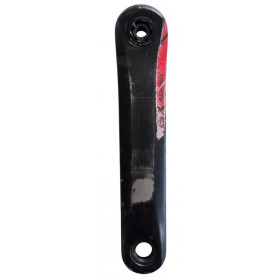 UsedSram Truvativ X9 MTB crank
- €18.99
 Used
Used UsedShifter Sram X0 11s
- €48.99
 UsedShifter Sram XX1 11s
- €48.99
 New product
 New product
 UsedGrip shift Sram 9.0
- €24.99
 Used
Used New product -40%Sram NX Eagle MTB crankset 12s 175 mm
- €77.99
- €129.99
 New product -37%Right shifter Shimano Deore SL-M6100 12s
- €28.97
- €45.99
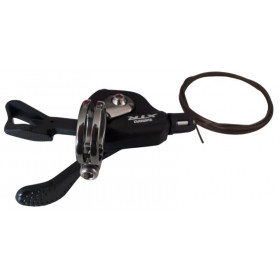 New product -50%Left shifter Shimano XTR SL-M9000-L
- €66.97
- €133.95
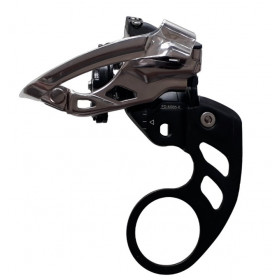 New product -49%Front derailleur Shimano XTR FD-M985-E 2x10s
- €53.04
- €104.00
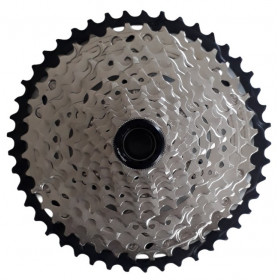 New product -43%Shimano SLX CS-M7100 MTB cassette 12s 10-45
- €79.79
- €139.99
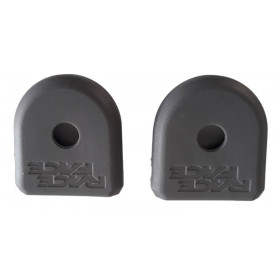 New product -60%Carbon cranks boot Race Face Sram Shimano grey
- €6.00
- €14.99
 New product -70%
 Used
Used New product
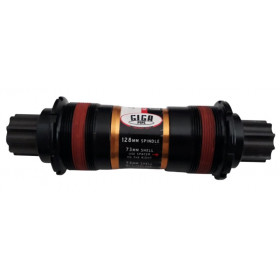 New product -50%Truvativ Giga pipe team DH bottom bracket 128 mm ISIS
- €30.00
- €59.99
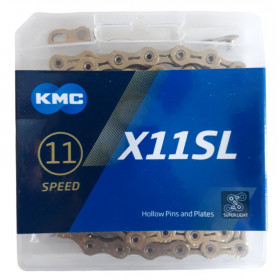 New product -30%11 speed chain KMC X11SL Ti N gold 118 links
- €52.49
- €74.99
 New product -30%Shimano Deore XT FD-M8025 2x11s front derailleur
- €41.99
- €59.99
 New product
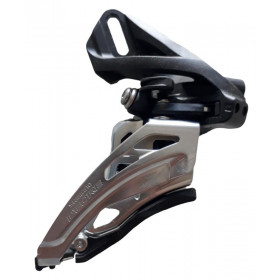 New product -55%Front derailleur shimano deore fd-m7020-11-d 2x11s
- €18.45
- €40.99
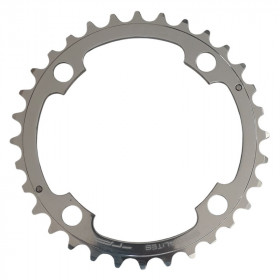 New product -18%MTB chainring 32 teeth TA Chinook 104 mm
- €35.18
- €42.90
 Used
Used New product
 New product
 Used
Used New product
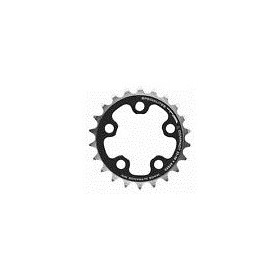 New product
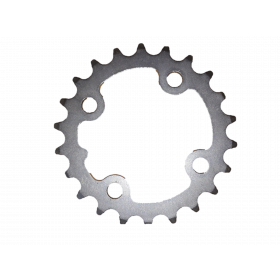 New product
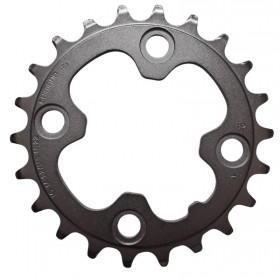 New product
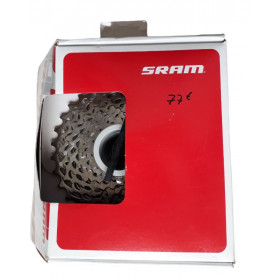 New product -35%Sram X7 PG1050 MTB cassette 10s 11-32
- €55.24
- €84.99
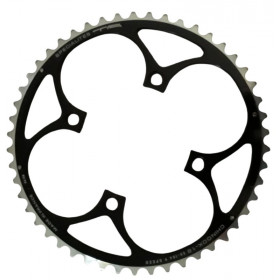 More detailsNew product -20% New Out-of-StockMTB chainring 50 teeth TA Chinook 104 mm
- €39.99
- €49.99
 More detailsNew product Out-of-Stock
 More detailsNew product Out-of-Stock
 More detailsNew product Out-of-Stock
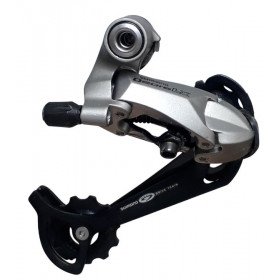 More detailsNew product Out-of-Stock
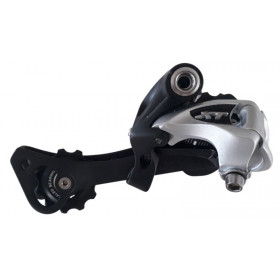 More detailsNew product Out-of-Stock
 More detailsUsed Out-of-StockSram GXP MTB crankset
- €28.99
 More detailsNew product -25% Out-of-StockShimano MTB chain 12s CN-M8100
- €26.24
- €34.99
 More detailsNew product Out-of-Stock
 More detailsNew product Out-of-Stock
 More detailsNew product Out-of-Stock
 More detailsNew product Out-of-Stock
 More detailsNew product -38.8% Out-of-StockShimano MT500 chainring 40 teeth 96 mm 10 speed
- €20.19
- €32.99
 More detailsNew product Out-of-Stock
 More detailsUsed Out-of-Stock
 More detailsUsed Out-of-Stock
 More detailsNew product Out-of-Stock
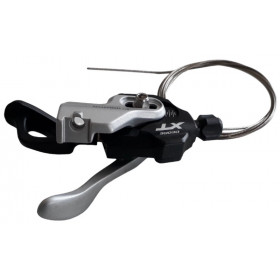 More detailsNew product -53% Out-of-StockLeft shifter Shimano XT SL-M780-B-IL
- €25.38
- €53.99
 More detailsUsed Out-of-Stock
 More detailsNew product Used Out-of-Stock
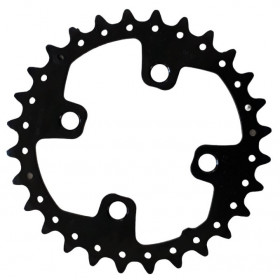 More detailsNew product Out-of-Stock
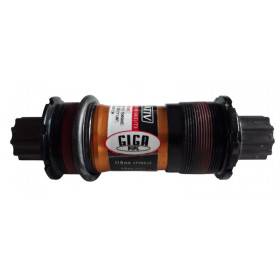 More detailsNew product -41% Out-of-StockTruvativ Giga pipe team SL bottom bracket 118 mm ISIS
- €35.39
- €59.99
 More detailsNew product Out-of-Stock
 More detailsUsed Out-of-Stock
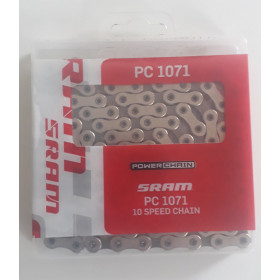 More detailsNew product -40% Out-of-StockSram chain 10s PC1071
- €26.99
- €44.99
 More detailsNew product Out-of-Stock
 More detailsNew product Out-of-Stock
Showing 1-100 of 104 item(s)
The E-MTB drivetrain is an essential component that plays a central role in the comfort and performance of the E-MTB. Designed to withstand the constraints linked to motor assistance, it has specific characteristics which differentiate it from conventional transmissions.
1. General characteristics of the electric E-MTB drivetrain :
Increased robustness: The transmission must withstand high torques generated by the motors (up to 85 Nm for models like Bosch or Shimano EP8).
Durability: The components (chain, cassette, derailleur) are reinforced to resist rapid wear due to the extra power.
Optimization for off-road: It guarantees fluidity and precision in changing gears, even under heavy stress.
Engine Compatibility: E-MTB transmissions are often designed to work in harmony with specific engines.2. Main components of an electric MTB transmission:
A. Cassette
Type: Wide amplitude (for example, 11-50 or 10-51 teeth).
Materials: Reinforced alloys (steel or aluminum).
Special feature: Allows a wide range of speeds to manage steep climbs and rapid descents.
Example: SRAM EX1 with an 8-speed cassette specifically designed for E-MTB.B. Chain
Design: Thicker and treated to withstand high tensions.
Special treatments: Anti-corrosion and anti-wear.
Example: KMC E12 or Shimano CN-E8000 chains, optimized for electric assistance.C. Chainring
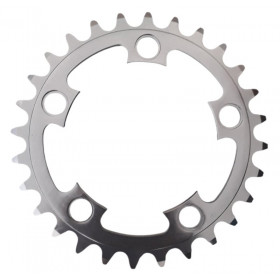
Type: Single chainring with narrow-wide technology (narrow and wide teeth to hold the chain in place).
Size: Generally 32 to 38 teeth, adapted to the constraints of electric motors.
Example: Praxis or Shimano chainrings specific for Bosch engines.D. Derailleur
Type: Rear derailleur often equipped with stabilizers to prevent derailments (e.g. Shadow Plus technology from Shimano).
Robustness: Designed to operate under high voltage.
Example: Shimano Deore XT Di2, SRAM GX Eagle AXS.E. Crankset
Characteristics: Shorter cranks (160-170 mm) to limit impacts on obstacles.
Compatibility: Suitable for Bosch, Shimano, Yamaha, etc. motors.3. Mechanical vs electronic transmission:
Mechanical transmission
Benefits :
Reliability and simplicity.
Adapted to extreme conditions.
More accessible cost.
Disadvantages:
Less precision in gear changes under heavy load.Electronic transmission
Benefits :
Increased precision and speed of gear changes.
Integration with applications for customization (e.g. SRAM AXS, Shimano Di2).
Requires little maintenance.
Disadvantages:
Higher price.
Reliance on a battery for operation.4. Leading brands and models
Shimano
Specific series:
EP8-compatible transmissions: Compatible with the Shimano EP8 motor.
Deore XT Di2: Precise and efficient electronic transmission.
LinkGlide: Reinforced durability for e-MTBs.SRAM
Specific series:
EX1: Designed for e-MTBs with an ultra-robust 8-speed cassette.
GX Eagle AXS: Electronic transmission with a wide 12-speed cassette.FSA
Specializing in cranksets and chainrings compatible with Bosch and Shimano motors.KMC
Reinforced chains specific for VTTAE, such as the E9 and E12 models.
Bosch
Offers integrated transmission and engine systems with sensors for optimized gear changes.
5. Important technical points:
Motor torque and resistance
E-MTB motors generate high torques, requiring suitable components to avoid premature wear.Maintenance
Regular lubrication and inspection of components to ensure optimal lifespan.Shock absorption
Some systems (like stabilizer derailleurs) help absorb impacts on rough terrain.6. Trends and innovations
Cassettes with low number of speeds: Example: SRAM EX1 with 8 speeds, for increased robustness.
Integrated transmission: Solutions such as the Rohloff hub or Bosch engine-transmission integration.
Software optimization: Customizable settings via applications (SRAM AXS App, Shimano E-Tube).
ConclusionThe electric E-MTB drivetrain combines robustness, durability and precision to provide a smooth and efficient experience, even on the most demanding terrain. The choice between mechanical and electronic transmission will depend on the rider's preferences, budget and specific needs. Rigorous maintenance and informed choice of components ensure optimal long-term performance.
There are 104 products.