-
 New product
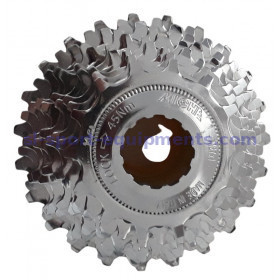
Road bike cassette for mountain riding: choosing the right drivetrain for climbing
When the roads become steeper and elevation gain increases, choosing the right road bike cassette for mountain riding becomes essential for maintaining a smooth pedaling cadence and reducing muscle fatigue. Whether you are preparing for alpine sportives, mountain rides, or hilly routes, adapting your drivetrain improves comfort, cadence, and overall performance.
On a road bike, the cassette directly affects how easy it is to pedal uphill. A poor gearing combination can quickly turn a climb into a difficult challenge. On the other hand, a properly selected road bike cassette helps riders maintain a steady cadence while preserving energy over long distances.
Why choose a road bike cassette for mountain riding ?
Mountain riding requires lower gearing ratios than flat terrain. A road bike cassette with larger sprockets reduces the effort needed on long and steep climbs. Cyclists generally look for easier gearing to avoid pushing excessively hard on the pedals.
Road bike cassettes designed for mountain terrain often feature large sprockets with 30, 32, or even 34 teeth. This setup makes climbing easier while improving endurance during long rides. It is suitable for both recreational cyclists and experienced riders looking to save energy in demanding ascents.
The ideal cassette also depends on fitness level, riding style, bike setup, and the type of terrain regularly encountered. A balanced drivetrain improves comfort and reduces premature fatigue.
How to choose a road bike cassette for mountain riding
Choosing the right road bike cassette for mountain riding mainly depends on the sprocket range and the number of teeth on the largest cog. The larger the biggest sprocket, the easier pedaling becomes on steep climbs.
Selecting the right gear range
An 11-28 cassette is ideal for strong riders tackling moderate hills. However, for difficult mountain passes and long climbs, 11-32 or 11-34 cassettes are often preferred. They provide a wider gear range and help maintain a comfortable cadence.
Gear progression is also important for smooth pedaling. A cassette with gradual spacing between sprockets ensures more natural gear changes and avoids sudden cadence gaps.
Cassette, drivetrain, and derailleur compatibility
Before purchasing a new road bike cassette, it is essential to verify compatibility with the existing drivetrain. Not all components work together seamlessly.
The first consideration is the number of speeds. An 11-speed cassette must be paired with an 11-speed chain and compatible shifters. The same rule applies to 10-speed, 12-speed, or 13-speed drivetrains.
The rear derailleur also has a maximum sprocket capacity. Some road derailleurs only support cassettes up to 28 teeth, while others can handle 32 or 34-tooth sprockets. For mountain riding, many cyclists choose a medium-cage derailleur to benefit from a larger gear range.
The freehub body must also match the cassette brand. Shimano, SRAM, and Campagnolo use different standards, so checking compatibility is essential before installation.
Finally, the crankset significantly affects drivetrain performance. A compact 50/34 crankset combined with an 11-32 cassette is currently one of the most popular setups for mountain riding.
Which road bike cassette should you choose ?
The rider’s experience level and the terrain both play a major role when selecting a cassette.
For occasional mountain rides, an 11-30 cassette offers an excellent balance between versatility and climbing comfort. It performs efficiently on flat roads while still providing easier gearing for climbs.
Regular climbers often prefer 11-32 or 11-34 cassettes to maintain a higher cadence on steep mountain passes. This setup increases comfort on long ascents and reduces excessive strain on the legs.
Performance-oriented riders may choose tighter gear spacing to optimize acceleration and pedaling precision. The ideal cassette therefore depends on both terrain and personal goals.
How to replace a road bike cassette
Replacing a road bike cassette is a relatively simple process when using the proper tools. A worn cassette often causes chain skipping, noisy shifting, or inconsistent pedaling.
To remove the old cassette, start by taking off the rear wheel. Then use a cassette lockring tool along with a chain whip to loosen the lockring. Once removed, the sprockets can slide off the freehub body.
Before installing the new cassette, it is recommended to thoroughly clean the freehub body to remove dirt and grease buildup. The sprockets should then be installed in the correct order, following the guide splines.
After tightening the lockring, the rear derailleur may require adjustment to ensure precise shifting. In some cases, replacing the chain is also recommended to ensure full compatibility with the new cassette.
Maintaining your cassette for better durability
A cassette used in mountainous terrain experiences heavy stress, especially during long climbs and high-torque efforts. Regular maintenance helps preserve drivetrain performance and extends component lifespan.
Cleaning the cassette after wet or dusty rides helps prevent premature wear on the sprocket teeth. A properly lubricated chain also reduces friction and improves pedaling smoothness.
Regularly checking chain wear is equally important. A worn chain can significantly accelerate cassette wear and reduce shifting performance.
Choosing the best road bike cassette for mountain routes
Investing in the right road bike cassette for mountain riding can completely transform the riding experience on demanding terrain. A properly chosen drivetrain improves comfort, optimizes cadence, and helps riders manage effort more efficiently on long climbs.
Whether you ride mountains occasionally or regularly tackle major alpine passes, considering gear range, compatibility, and riding style is essential for finding the ideal cassette. The right setup delivers smoother pedaling, improved efficiency, and more enjoyment on every road cycling adventure.
Road bike cassettes :
10 speed road bike cassette
Road bike sprocket
There are 2 products.