-
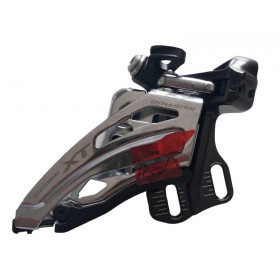 New product -17%Shimano deore xt fd-m8020-e 2x11s direct mount front...
- €35.68
- €42.99
 New product
 New product
 New product
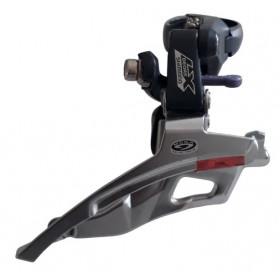 New product
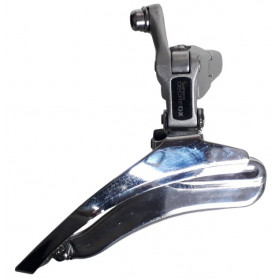 New product
 Used
Used New product -70%Sram XX front derailleur
- €48.96
- €163.20
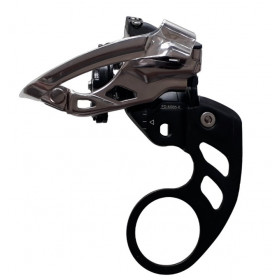 New product -49%Front derailleur Shimano XTR FD-M985-E 2x10s
- €53.04
- €104.00
 New product -30%Shimano Deore XT FD-M8025 2x11s front derailleur
- €41.99
- €59.99
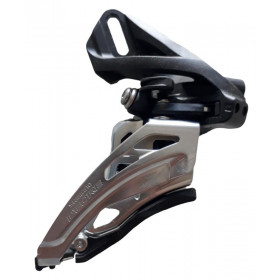 New product -55%Front derailleur shimano deore fd-m7020-11-d 2x11s
- €18.45
- €40.99
Showing 1-11 of 11 item(s)
Front MTB derailleur: features, specifics, and its role in the transmission
The front MTB derailleur is a key component of a mountain bike transmission, ensuring smooth and precise shifting between chainrings. Whether you’re a beginner or an experienced rider, understanding its function and characteristics will help optimize your performance on all types of terrain.
What is a front MTB derailleur ?
The front derailleur is the mechanism responsible for moving the chain from one chainring to another on the crankset. Unlike the rear derailleur, which manages the cassette, the front derailleur focuses on the chainrings and plays a crucial role in controlling gear range and pedaling effort.
Features of a front MTB derailleur
-
Mounting Type
Front derailleurs can be installed in different ways:-
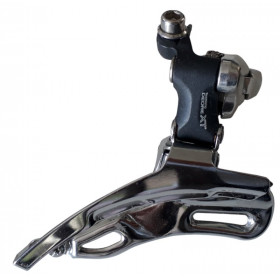
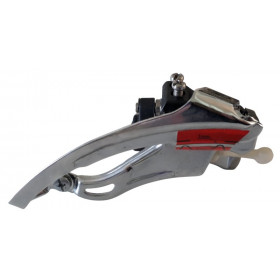
Clamp-on: attached around the seat tube.
-
Direct mount (braze-on): lighter and more precise.
-
-
Compatibility with Chainrings
Depending on your MTB transmission, the front derailleur may be designed for:-
Double chainring (2x)
-
Triple chainring (3x)
Some modern models are optimized for 1x drivetrains, where a single chainring is used and no front derailleur is required.
-
-
Capacity and Cage Angle
Each derailleur has a maximum chain capacity and a specific cage offset to match the difference in teeth between chainrings. These measurements are crucial to prevent chain drops during extreme gear changes. -
Cable Pull and Actuation
Front MTB derailleurs can work with:-
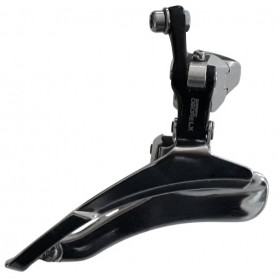
Top pull or bottom pull, depending on the frame configuration.
-
Mechanical or electronic actuation (in high-end drivetrains).
-
-
Materials and Weight
Most front derailleurs are made from aluminum, steel, or a combination with carbon components to reduce weight while increasing rigidity.
Specifics and usage tips
-
Alignment and Adjustment: A poorly adjusted derailleur can cause chain rub or even a full derailment. Proper alignment with the chainrings is essential.
-
MTB Type: Cross-country (XC) derailleurs are generally lighter, while enduro or downhill models must withstand shocks and intense vibrations.
-
Chain and Chainring Compatibility: Always check that the derailleur is compatible with the chain width and number of teeth on the chainrings.
Why choose a good front MTB derailleur ?
A high-performance front MTB derailleur not only improves transmission precision but also extends the lifespan of the chain and chainrings. A properly tuned drivetrain ensures smoother pedaling, better effort management, and a more enjoyable riding experience on trails.
The front MTB derailleur remains an essential component for anyone looking to optimize their MTB drivetrain. Choosing the right model and setting it up correctly ensures maximum performance, whether riding in the mountains, technical trails, or downhill tracks.
There are 11 products.