
-
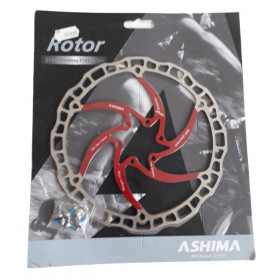 New product -47%180 disc brake 6 holes Ashima ARO 08 red
- €15.37
- €29.00
 New product Used
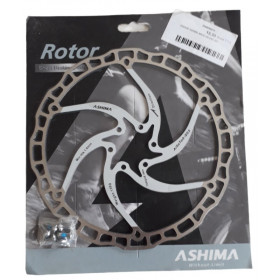 New product -20%203 disc brake 6 holes Ashima ARO 08 white
- €23.20
- €29.00
 New product
 Used
Used Used
Used Used
Used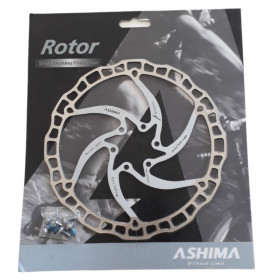 New product -47%180 disc brake 6 holes Ashima ARO 08 white
- €15.37
- €29.00
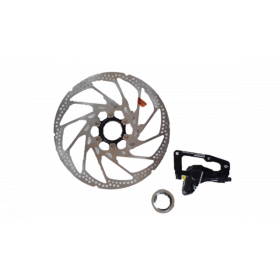 New product
 Used
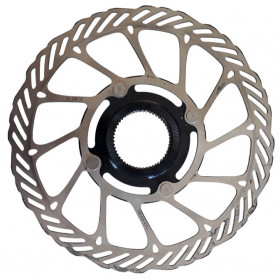
Used UsedCampagnolo disc
- €9.99
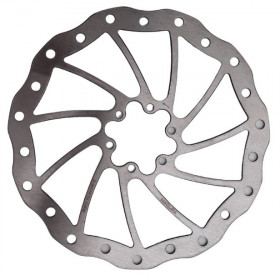
 New product -20%140 mm disc brake 6 holes
- €19.99
- €24.99
 New product
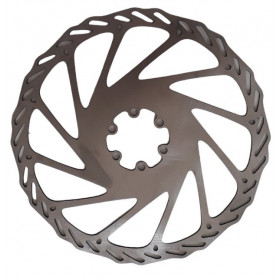 New product -37%Avid 203 mm disc brake 6 holes
- €39.05
- €61.99
 Used
Used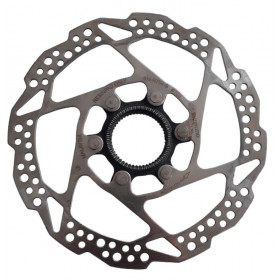 Used
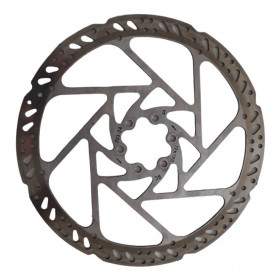
Used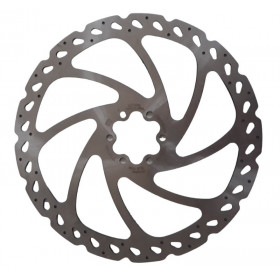 New productDisc brake 6 holes 203 mm
- €18.99
 Used
Used Used
Used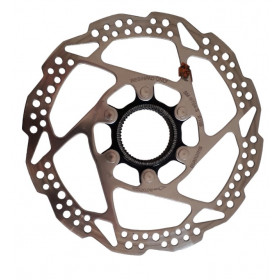 Used
Used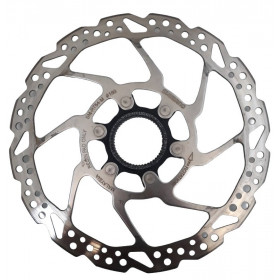 Used
Used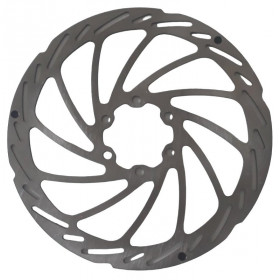 New product -30%BBB Powerstop disc brake 160 mm
- €15.37
- €21.95
 More detailsUsed Out-of-Stock
Showing 1-23 of 23 item(s)
Function of road bike brake discs
Road bike brake discs are key components of the disc braking system. Their main function is to:
1. Provide a friction surface to slow and stop the bike:
When the brake pads press against the road bike brake disc, it creates friction which reduces the speed of the wheel.
2. Dissipate heat:
When braking, heat is generated. Road bike brake rotors are designed to dissipate this heat to maintain braking efficiency and prevent overheating.
Brake disc characteristics
1. Diameter:
Common sizes for road bikes are 140mm and 160mm. A larger disc provides more stopping power and better heat dissipation, but may be heavier.
2. Materials:
Stainless steel: The most common material for road bike brake rotors, providing good durability and heat dissipation.
Composite (steel with aluminum core): Some high-end drives use composite construction to reduce weight and improve heat dissipation.3. Type of attachment:
6-bolt mounting: Uses six bolts to secure the road bike brake rotor to the hub. It is the oldest and most widespread standard.
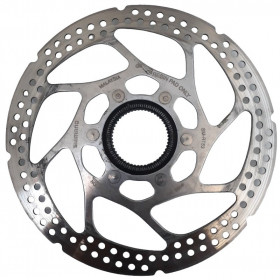
Center Lock: Uses a center locking system with a clamping ring, making it easier to install and remove discs.4. Fin Design:
Cooling Fins: Some drive designs include specific fins or technologies to improve heat dissipation.
Perforations and grooves: The surface of road bike brake rotors may have perforations and grooves to improve heat dissipation, reduce weight and shed water and mud.5. Weight:
Lightweight discs are preferred for racing bikes to reduce rotating mass, but they must maintain a good compromise between weight and braking performance.
Tips for choosing brake discs
1. Compatibility:
Make sure the rotors are compatible with your brake calipers. Some brands and models of brakes may require specific discs.
Check the compatibility of the mounting (6 bolts or Center Lock) with your hubs.2. Intended use:
Racing and Performance: Opt for 140mm rotors for weight reduction unless you need more stopping power.
Use in mountains or technical terrain: A 160mm rotor can provide better heat dissipation and more stopping power for long, steep descents.3. Driving conditions:
Wet conditions: Discs with perforations and grooves can better evacuate water, improving braking performance.
Dry Conditions: Most discs will perform well, but be sure to choose a durable model for long life.4. Weight and performance:
For riders looking to reduce the weight of their bike, composite discs or discs with cooling fins may be a good option.
Braking performance: Choose rotors that offer good stopping power and efficient heat dissipation, even if that means a slight compromise on weight.5. Maintenance and replacement:
Inspect discs regularly for signs of wear or deformation. Worn or damaged rotors should be replaced to maintain optimal braking performance.
Follow the manufacturer's recommendations for torque when installing the discs, especially for 6-bolt fasteners.Conclusion
Road bike brake rotors are essential for the safety and performance of your road bike. By considering compatibility, intended use, driving conditions, weight and performance, you can choose the brake rotors best suited to your needs. Regular maintenance and careful choice of discs will contribute to an optimal braking experience.
There are 23 products.