After 26, 27.5 and 29 inches, a new wheel size has been stirring up the cross-country world since 2025: 32 inches. Still at the prototype stage but already approved by the UCI for World Cup racing, this new format raises as many hopes as questions. Here's a closer look.
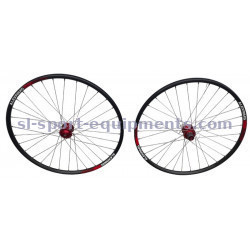
Browse our current selection of mountain bike wheels in the sizes currently available on the market.
1. What exactly is a 32-inch wheel?
The topic really took off at the Eurobike 2025 show: after decades dominated by 26", followed by the arrival of 27.5" and the current dominance of 29", a new number has started circulating in trade show aisles and on World Cup pit lanes: 32. This refers to a wheel diameter (rim and tyre mounted together) even larger than today's 29", designed to push the limits of rolling ability and obstacle clearance in cross-country even further.
Key takeaway: 32-inch wheels are not a commercially available format as of today. This is an emerging trend, driven by brand prototypes and race-day testing. No 32" wheel or complete bike is currently for sale to the general public.
2. Where does this trend come from?
Since mid-2025, the arrival of this new size has been gaining momentum. BMC was one of the first brands to unveil a prototype, spotted under rider Titouan Carod during a World Cup round in Vallnord. Other manufacturers quickly followed suit, including KTM, Stöll, and carbon specialist Bike Ahead Composites, which showed off a prototype fitted with very large six-spoke wheels as early as autumn 2025.
The format has also caught the attention of brands focused on riders with larger frames, such as Dirty Sixer, known for building bikes for taller cyclists. For them, 32" represents a logical middle ground between the standard 29" and the 36" already offered on some of their models.
3. Expected advantages of 32-inch wheels
On paper, and based on early theoretical feedback from the brands involved in these prototypes, a 32" setup could offer several benefits over 29":
- Better ability to smooth out rough terrain, thanks to a larger wheel diameter;
- Increased grip and a larger contact patch with the ground;
- Greater stability, especially at high speed or over uneven terrain;
- Better speed retention once rolling, and potentially improved efficiency;
- A possible rebalancing of weight distribution on the bike, opening the door to geometries better suited to taller riders (6'3" / 190 cm and above).
4. Drawbacks and limitations
Moving to such a large diameter doesn't come without trade-offs, and the brands themselves don't shy away from these concerns:
- Additional weight, linked both to the wheel itself and to the increased stress on the whole drivetrain and running gear;
- Frame geometries that need to be rethought from scratch, meaning a full new development cycle for manufacturers (frames, forks, brakes, drivetrains);
- Uncertainty around how well the format suits every rider size, a point still poorly documented publicly;
- Complete incompatibility with the current fleet of bikes and components.
Worth noting: the recent history of mountain biking has already seen standard changes that took time to catch on, sometimes with underwhelming first generations. There is no guarantee that 32" will follow the same path as 29", which took nearly twenty years to become dominant after first appearing in the late 1990s.
5. Where does competition approval stand ?
Asked about the topic, the Union Cycliste Internationale clarified its position: it sets no limit on mountain bike wheel diameter, which effectively allows the use of 32" wheels in World Cup racing from 2026, provided bikes pass the usual safety tests and certifications. This decision removes one of the main obstacles to the format reaching competition and could accelerate the development of components specifically designed for this size, such as dedicated inner tubes already announced by some suppliers for spring 2026.
One question remains open: will 32" stay a pit-lane curiosity reserved for a handful of professional teams, or will it follow the trajectory of 29", long met with skepticism before becoming dominant in both cross-country and downhill? The first rounds of the 2026 World Cup should provide early answers.
6. Should you wait for 32" or ride now in 26, 27.5 or 29 inches ?
As long as the 32" format remains at the prototype and professional racing stage, there's no reason to delay a mountain bike wheel purchase. The three diameters currently on the market cover the full range of uses and rider sizes:
- 26-inch MTB wheel: maximum manoeuvrability, still relevant on some compact frames, dirt or trial bikes;
- 27.5-inch MTB wheel: the agility/rollover compromise, very common in enduro and downhill;
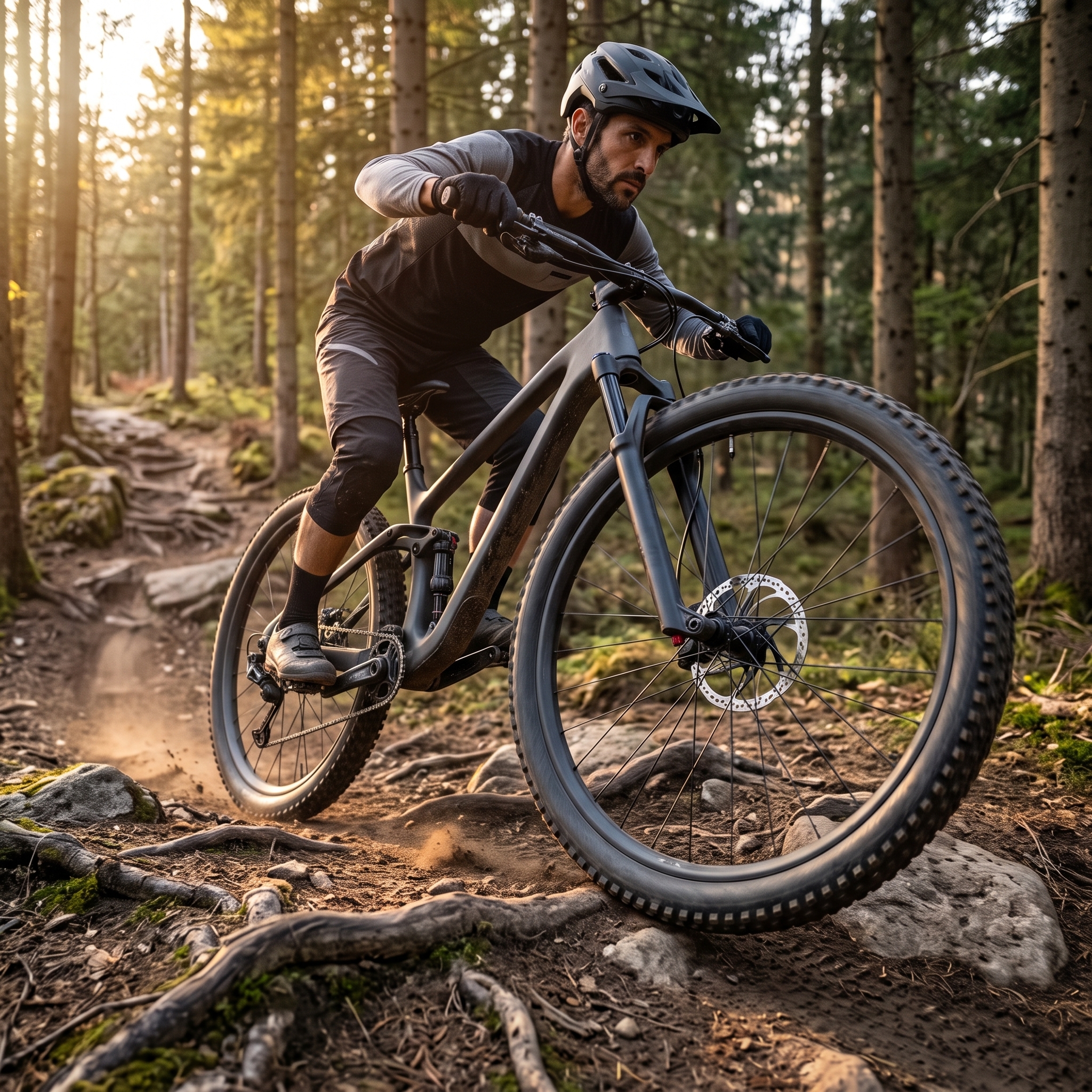
- 29-inch MTB wheel: today's standard in cross-country, for obstacle clearance and efficiency.