
-
 New productBrake cable
- €1.35
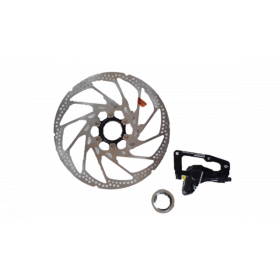
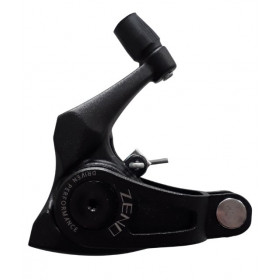 New productMechanical disc brake Zeno
- €19.99
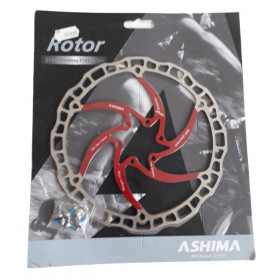 New product -47%180 disc brake 6 holes Ashima ARO 08 red
- €15.37
- €29.00
 New product Used
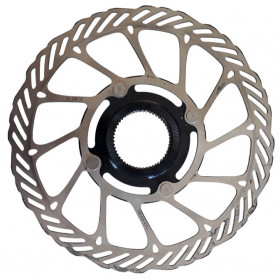
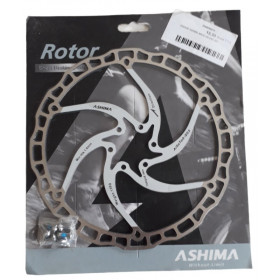 New product -20%203 disc brake 6 holes Ashima ARO 08 white
- €23.20
- €29.00
 New product -25%Cantilever brake
- €6.74
- €8.99
 Used
Used Used
Used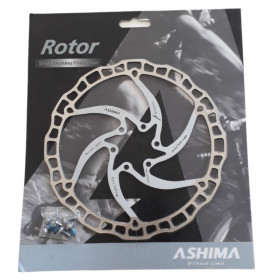 New product -47%180 disc brake 6 holes Ashima ARO 08 white
- €15.37
- €29.00
 New product
 Used
Used New product
 New product
 New product
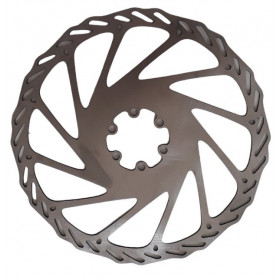 New product -37%Avid 203 mm disc brake 6 holes
- €39.05
- €61.99
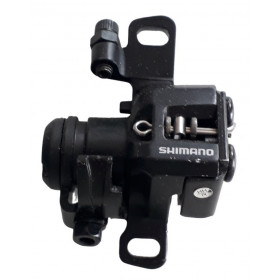 New product -26%Mechanical disc brake caliper Shimano Deore BR-M416
- €22.90
- €30.95
 Used
Used Used
Used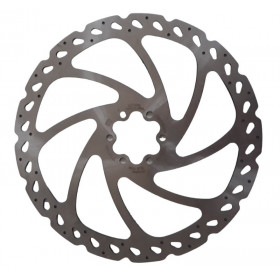 New productDisc brake 6 holes 203 mm
- €18.99
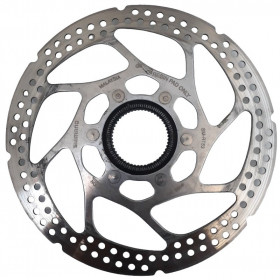 Used
Used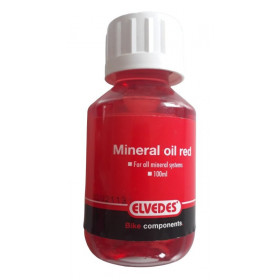 New product
 Used
Used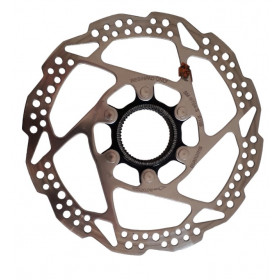 Used
Used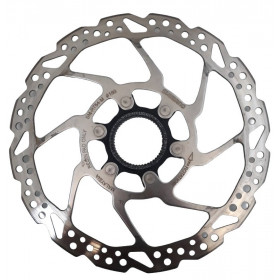 Used
Used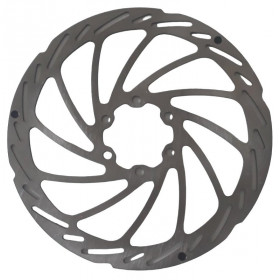 New product -30%BBB Powerstop disc brake 160 mm
- €15.37
- €21.95
 More detailsUsed Out-of-Stock
 More detailsNew product Out-of-Stock
Showing 1-27 of 27 item(s)
Gravel bike brakes are essential to ensure total control over varied terrain. They must offer power, modulation, and reliability, whether on paved roads, gravel paths or technical descents. Here is a guide to the types, characteristics, and brands of brakes suitable for gravel bikes.
1. Types of gravel brakes:
a. Mechanical disc brakes
- Operation: Cables connecting the brake lever to the caliper to activate the pads.
- Benefits :
Less expensive than hydraulic systems.
- Disadvantages:
Sensitive to dirt and humidity.
- Recommended use: Beginner cyclists or those on a limited budget.
b. Hydraulic disc brakes
- Operation: Use hydraulic fluid to transfer power from the lever to the calipers.
- Benefits :
Precise modulation.
Reliable performance whatever the conditions.
- Disadvantages:
Higher cost.
- Recommended use: Demanding cyclists and technical terrain.
c. Rim brakes (cantilever or V-brakes)
- Operation: Braking directly on the rim via pads.
- Benefits :
Cheaper than disc brakes.
- Disadvantages:
Uncommon on modern gravel bikes.
- Recommended use: Vintage or light gravel on smooth roads.
2. Features of gravel brakes:
Braking power
Hydraulic brakes dominate in terms of power and are essential for technical descents or fast gravel.Modulation
Ability to control braking force precisely. Hydraulic brakes provide optimal modulation.
Lever Compatibility
Make sure your brakes are compatible with the levers on your bike (road, gravel or cyclocross).Disc diameter
- 140 mm: sufficient for rolling terrain and light cyclists.
- 160 mm: ideal for the majority of terrains and cyclists.
- 180 mm: recommended for long, technical descents or for loaded bikes.
Brake pads
- Resin (organic): quieter and better for smooth braking
- Metal (sinterized): wear-resistant and efficient in wet weather.
Maintenance
Mechanical disc brakes are easier to maintain, but hydraulic brakes require professional maintenance to bleed the system.3. Recommended brands for gravel brakes:
a. Mechanical disc brakes
TRP: Spyre C
Double-piston mechanical brakes for increased power.
Easy to adjust and reliable.Avid: BB7 Road
Renowned for their robustness and precise modulation.
Compatible with many levers.b. Hydraulic disc brakes
Shimano:
GRX 400 / 600 / 800: specific to gravel, with braking power adapted to technical terrain.
Deore XT: for mixed gravel/MTB use.SRAM:
Force eTap AXS HRD: high-end hydraulic brakes for electronic transmissions.
Rival 1 HRD: economical but efficient option.TRP: HY/RD
Hybrid system combining hydraulics and mechanics.
Easy to maintain and powerful.
c. Rim brakesTektro: RX6 Cantilever
High-performance and economical for vintage gravel bikes.
Compatible with many older frames.Paul Components: MiniMoto V-brake
Artisanal construction, lightness and power adapted to frames with rim brakes.
4. Tips for choosing your gravel brakes
Type of terrain:
Rolling or less technical terrain: sufficient mechanical brakes.
Uneven or technical terrain: favor hydraulic brakes.Budget :
If limited, opt for quality mechanical brakes like the TRP Spyre.
Hydraulic brakes like the Shimano GRX 400 offer excellent value for money.Compatibility:
Check compatibility with your levers and frame (axle spacing, type of caliper attachment).
Weight and aesthetics:
Hydraulic brakes add weight but provide unmatched performance.
Maintenance :
If you want to minimize complex maintenance, opt for mechanical or hybrid brakes like the TRP HY/RD.
In summary
Gravel bike brakes should be chosen based on your riding style, terrain explored, and maintenance preferences. Hydraulic disc brakes from brands like Shimano, SRAM, and TRP are a must-have for demanding adventures. If you are looking for an economical and reliable option, mechanical systems remain an excellent alternative.
There are 27 products.