
-
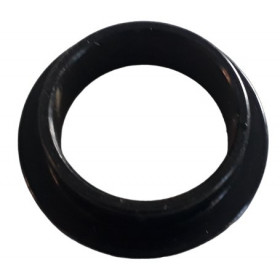 New productChainring spacer
- €1.80
 New product -35%
 New product
 New product
 New product
 New product
 New product
 New product
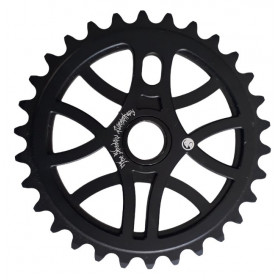 New product -30%BMX chainring 30 teeth The shadow conspiracy
- €31.49
- €44.99
 New product
 New product
 New product Used
 Used -30%
 New product -50%Road bike chainring 46 teeth 130 mm TA Alize
- €28.38
- €56.75
 New product
 CustomizeNew product
 Used
Used New product
 Used
Used New product
 Used
Used New product
 Used
Used Used
Used Used
Used New product
 Used
Used New product
 New product
 New product
 New product
 New product
 More detailsNew product Out-of-Stock
 More detailsNew product Out-of-Stock
 More detailsUsed Out-of-Stock
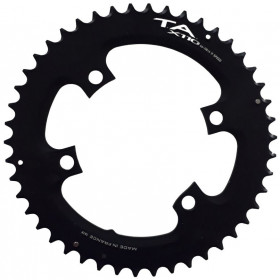 More detailsNew product -30% Out-of-StockSpecialites TA X110 road bike chainring 46 teeth 110 mm
- €54.53
- €77.90
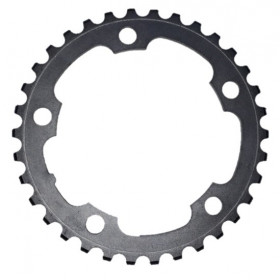
 More detailsNew product Out-of-StockBMX chainring 40 teeth
- €6.99
 More detailsNew product Out-of-Stock
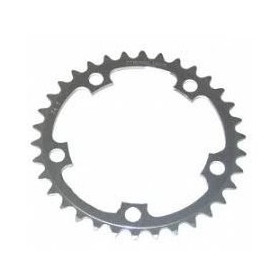 More detailsNew product Out-of-Stock
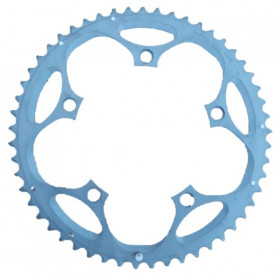 More detailsNew product Out-of-Stock
 More detailsUsed Out-of-Stock
Showing 1-42 of 42 item(s)
In the world of BMX freestyle flat, every component matters. One such essential piece is the chainring. This article aims to shed light on its function, characteristics, and recommendations for optimal performance.
Function of a chainring for BMX freestyle flat :
The chainring serves a critical role in transmitting power from the pedals to the rear wheel of the BMX freestyle flat. In the case of a chainring, it is a single piece of metal that connects directly to the crank arm. This design allows for smooth pedaling and reduces the risk of snagging on obstacles, which is crucial in freestyle BMX flat where tricks often involve jumping over or grinding against various surfaces.
Characteristics of a chainring for BMX freestyle flat :
1. Design:
The chainring is characterized by its number of teeth and fixture type. This design provides a smooth pedaling experience and reduces the chances of pedal strikes during tricks.
2. Material:
Chainrings are typically made from materials such as steel, aluminum, or titanium. Each material offers different benefits, such as durability (steel), lightweight properties (aluminum and titanium), and resistance to wear and corrosion (titanium).
3. Size:
The size of a chainring is determined by the number of bolt holes in its mounting area. Common sizes range from 38 teeth to 46 teeth, with 44 teeth being the most popular choice for freestyle BMX due to its balance between pedal power and weight.
Recommendations for chainring of BMX freestyle flat:
1. Choose a suitable size based on your riding style and preferences. A larger chainring will provide more power, but it may also increase the bike's overall weight and make tricks more challenging. Conversely, a smaller chainring might require more effort during pedaling but can be beneficial for those performing technical tricks that require agility and control.
2. Opt for a high-quality material like steel or aluminum for durability and long-lasting performance. If you are looking for an upgrade to reduce weight, titanium chainrings are available but come at a higher cost.
3. Ensure proper installation of the chainring, ensuring it is correctly aligned with the crank arms and pedals. Improper alignment can lead to pedal strikes or other mechanical issues during riding.
4. Regularly inspect your chainring for signs of wear or damage, such as bent or broken sections. Replace any damaged components promptly to avoid potential accidents or breakdowns while riding.
In conclusion, the chainring plays a vital role in BMX freestyle by providing a smooth pedaling experience and reducing the risk of obstacle snags during tricks. By understanding its function, characteristics, and recommendations, you can make informed decisions when choosing and maintaining this essential component of your BMX bike setup. Happy riding!
There are 42 products.