
-
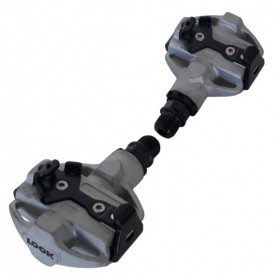 New product UsedLook pedals for mtb
- €19.99
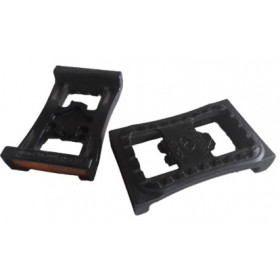 Used
Used New product
 New product
 New productVP components MTB pedals
- €19.99
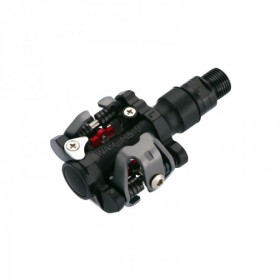 New product
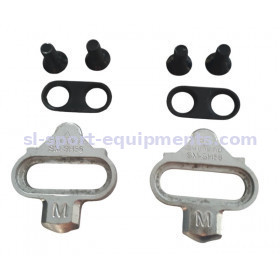
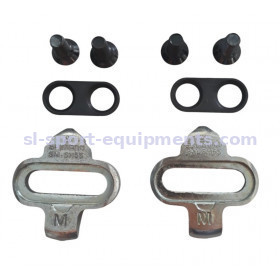
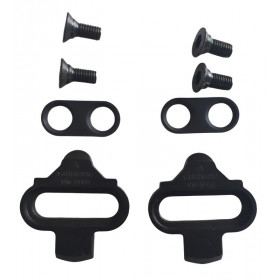 New product -36%Shimano cleats SM-SH51 for clipless pedals
- €8.95
- €13.99
 New product New
 New product New
 New product New
 New productLook S2 Nevada MTB pedals
- €39.99
 New product Used
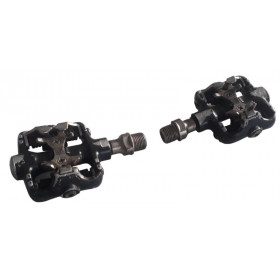 UsedRicthey MTB pedals
- €4.99
 New product
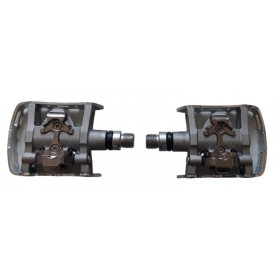 New product -53%Clipless flat pedals Shimano PD-M324 for MTB
- €39.95
- €84.99
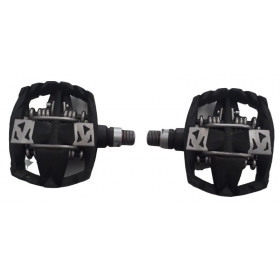 New product -29%Time XRoc MTB pedals
- €49.69
- €69.99
 New product -32%Clipless pedals Shimano PD-ME700 for MTB
- €43.49
- €63.95
 Used
Used Used
Used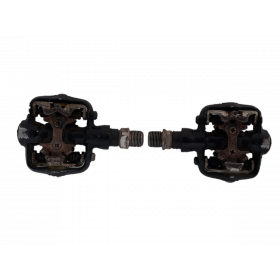 UsedFPO MTB clipless pedals
- €4.49
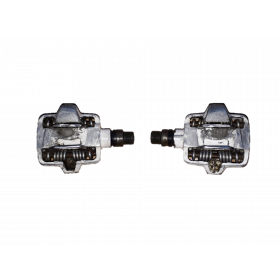 UsedTime Atac MTB pedals
- €4.99
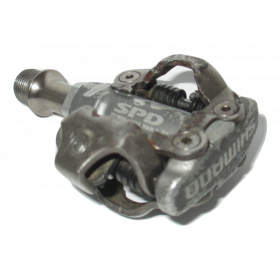 Used
Used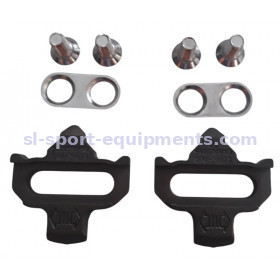 More detailsNew product New Out-of-Stock
 More detailsUsed Out-of-StockMTB pedals VP 535
- €5.99
 More detailsNew product Out-of-StockVP M11MTB clipless pedals
- €19.99
 More detailsUsed Out-of-StockMTB pedals toe clips
- €12.99
 More detailsNew product Out-of-Stock
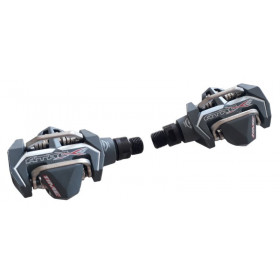 More detailsNew product -38% Out-of-StockTime atac xs clipless pedals for mtb
- €71.29
- €114.99
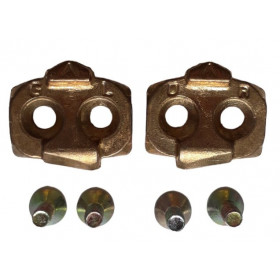 More detailsNew product -40% Out-of-StockTime Atac easy cleats for clipless pedals
- €12.59
- €20.99
 More detailsNew product -20% Out-of-StockTime Z MTB clipless pedals
- €47.99
- €59.99
Showing 1-30 of 30 item(s)
The pedals of a freeride mountain bike are specially designed to meet the demands of this type of practice, which involves technical descents, jumps and uneven terrain. Here are their characteristics and standards:
1. Function:
The main function of freeride mountain bike pedals is to efficiently transfer the rider's power to the cranks while providing optimal grip and good stability in extreme conditions. They must allow the cyclist to maintain control of the bike during rapid descents and jumps.
2. Materials:
Freeride mountain bike pedals are generally made from aluminum, steel or composite, to provide a good balance between lightness, durability and impact resistance. Contact surfaces often feature metal nubs for added grip, even in muddy or wet conditions.
3. Design:
The design of freeride mountain bike pedals can vary, but they generally have a wider, thicker platform to provide better support for the rider's feet. Some pedals may also have a concave profile to improve stability and prevent the foot from slipping.
4. Size:
Freeride mountain bike pedals are generally medium to large in size to provide better contact surface with the rider's shoes and better stability when jumping and landing.
5. Fixing:
Unlike XC or road MTB pedals, freeride MTB pedals are not automatic. They are platform type, which means they provide maximum grip even when the rider is not attached to the pedals.
6. Maintenance:
As with all mountain bike pedals, it is important to maintain freeride mountain bike pedals regularly to ensure their proper functioning and prolong their lifespan. This may include regular cleaning, replacing worn pins and greasing the rotating mechanisms if necessary.
In summary, freeride mountain bike pedals are designed to provide maximum grip, stability and optimal control in extreme conditions, such as technical descents and jumps. They are robust, equipped with metal pins for better grip and are not automatic to allow the cyclist to easily place their foot on the platform.
There are 30 products.