-
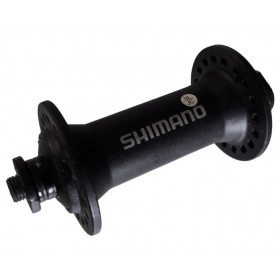 New product -50%Front road bike hub Shimano Sora Tiagra HB-M430 36 holes
- €12.50
- €24.99
 New product -20%Mavic 9x135 rear wheel adapter
- €12.00
- €15.00
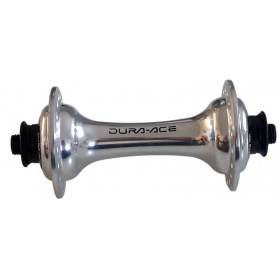 New product NewShimano Dura ace front hub
- €27.99
 New product -23%Mavic 12x142 rear wheel adapter
- €11.55
- €15.00
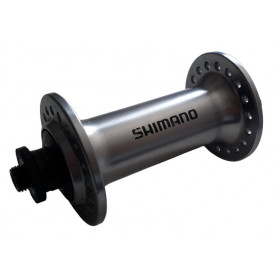 New product -50%Front hub Shimano HB-RS400 36 holes
- €14.00
- €27.99
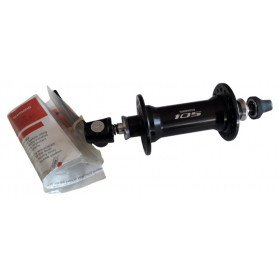 New product -50%Hub Shimano 105 HB-5700
- €28.98
- €57.95
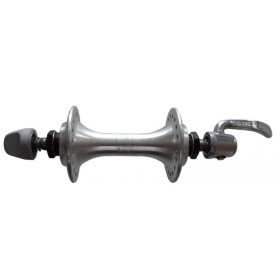 New product NewVintage front hub Campagnolo
- €12.99
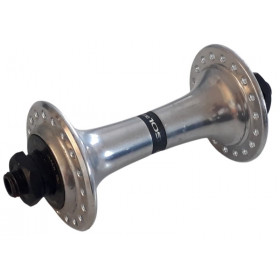 New product New
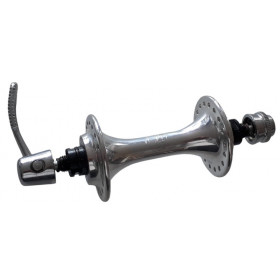 New product NewFront hub Campagnolo Athena
- €34.99
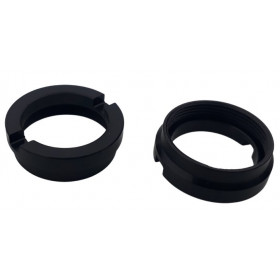 New product -25%Mavic QRM 15mm front wheel axle adapters
- €7.49
- €9.99
 New product
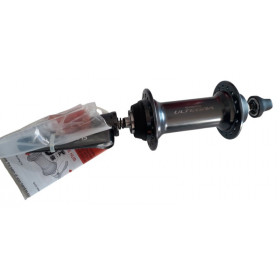
 New productFront hub Campagnolo Chorus
- €34.99
 New product
 Used
Used New product
 New product
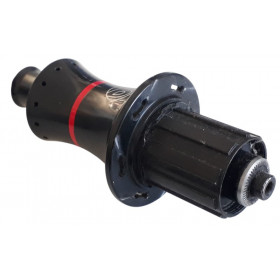
Rear road bike hub: the core of performance
The rear road bike hub is often overlooked, yet it plays a crucial role in the smoothness, transmission, and durability of your road bike wheel. This small but vital component connects the rim to the frame, allows the wheel to rotate freely, and supports the forces generated by pedaling. Let’s explore the key features, specificities, and what to look for when choosing the ideal rear wheel hub for your road bike.
What is a rear road bike hub ?
The hub is the central part of the wheel. It is made up of several critical components:
-
The hub shell, which connects the road bike wheel spokes
-
The road bike wheel axle, which goes through the frame and secures the wheel
-
The bearings, allowing smooth rotation
-
The road bike freehub body, where the cassette is mounted to transmit pedaling power
On a rear road bike wheel, the hub also takes on transmission forces, as it’s directly connected to the drivetrain via the cassette. It must therefore be strong, precise, and smooth-running.
Key technical features of a good road bike hub
1. Bearing types
There are two main types used in road bike hubs:
-
Cup-and-cone bearings: easier to service and long-lasting
-
Sealed cartridge bearings: more resistant to water and dirt, with less maintenance, but harder to repair
2. Material
Most road bike hubs are made from aluminum, offering an excellent balance of weight and stiffness. High-end models may use carbon or titanium for even lighter, performance-focused setups.
3. Freehub engagement
The freehub body contains the ratchet mechanism. The more engagement points it has, the quicker the hub reacts to pedal input—ideal for racing and fast acceleration.
4. Axle and frame compatibility
A good road bike wheel hub must be compatible with your fork standard and road bike frame:
-
12 mm thru-axle (modern standard)
-
Quick release (older systems)
Make sure the hub also fits your frame spacing (commonly 130mm or 142mm for thru-axle).
Types of road bike hubs
Rim brake hub
Designed for bikes with rim brakes, these hubs are lighter since they don't need to handle braking forces from a rotor.
Disc brake hub
Used on bikes with disc brakes. These hubs are more robust and slightly heavier, designed to accommodate a rotor and braking loads.
How to choose the right rear road bike hub
Intended use
-
Racing: look for a lightweight hub with low rolling resistance and fast engagement
-
Endurance riding: focus on durability and smooth bearings
-
Leisure/commuting: a standard, easy-to-maintain hub is sufficient
Transmission compatibility
Make sure your rear road bike hub is compatible with your groupset (Shimano, SRAM, or Campagnolo cassette fitment).
Conclusion: a discreet but decisive component
Never underestimate the importance of your rear road bike hub. It influences pedaling efficiency, gear shifting, and the overall feel of your ride. Whether you're upgrading or replacing your road bike wheel, choosing the right hub is key to optimal performance.
Additional article:
There are 17 products.