-
 New product Used
 CustomizeNew product Used
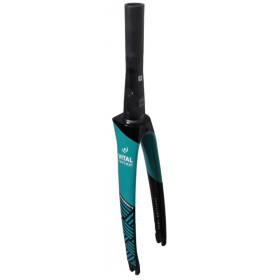
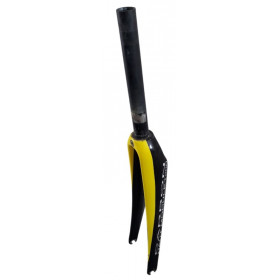 UsedCarbon racing bike fork
- €49.99
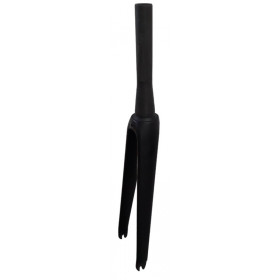 UsedCarbon road bike fork
- €49.99
 Used
Used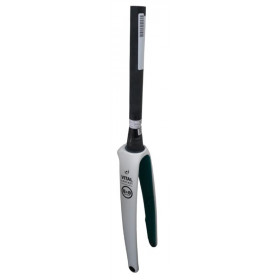 New product
 Used
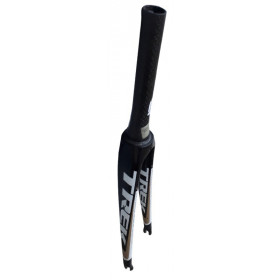
Used UsedGiant compact road bike fork
- €54.99
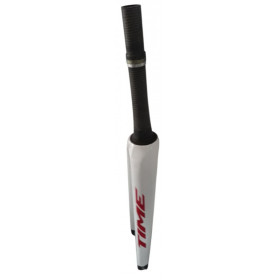 New productCarbon fork Time
- €49.99
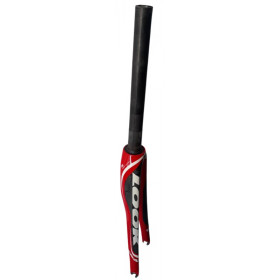 More detailsUsed Out-of-StockLook 566 carbon fork
- €49.99
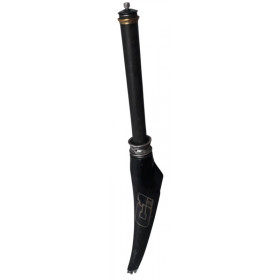 More detailsUsed Out-of-StockScott C1R road bike fork
- €49.99
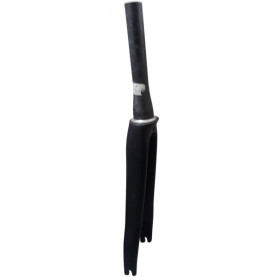 More detailsUsed Out-of-StockCarbon Zawoda fork
- €49.99
 More detailsUsed Out-of-StockBH carbon road bike fork
- €59.99
 More detailsUsed Out-of-Stock
 More detailsUsed Out-of-StockRoad bike Lapierre fork
- €49.99
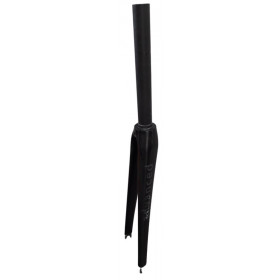
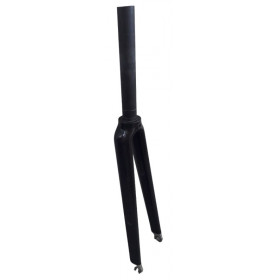 More detailsUsed Out-of-StockCarbon road bike fork black
- €49.99
 More detailsUsed Out-of-Stock
 More detailsUsed Out-of-Stock
 CustomizeUsed Out-of-Stock
 More detailsUsed Out-of-Stock
 More detailsNew product Out-of-Stock
Showing 1-21 of 21 item(s)
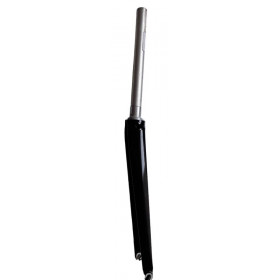
Carbon road bike fork: performance, comfort and precision for road cycling
A carbon road bike fork has become an essential component for cyclists looking for lightweight performance, stiffness and comfort on the road. Whether you ride for leisure, training or competition, choosing the right fork directly impacts bike handling, steering precision and overall efficiency.
On a modern road bike, the fork plays a key role in vibration absorption, downhill stability and responsiveness during acceleration. Thanks to advances in materials and standards, today’s forks meet the needs of endurance riders as well as performance-focused cyclists.
Why choose a carbon road bike fork ?
Carbon has become the benchmark material in the road cycling world. A carbon fork offers several major advantages compared to aluminum or steel versions.
The first benefit is weight reduction. A carbon road bike fork significantly lightens the front end of the bike, improving acceleration and making climbs easier. This lower weight also contributes to better overall bike balance.
The second advantage is comfort. Carbon naturally absorbs road vibrations more effectively. During long rides, road imperfections are filtered more efficiently, reducing fatigue in the arms and shoulders.
Finally, the lateral stiffness of a carbon fork improves steering precision. During fast cornering or sprint efforts, the bike feels more responsive and stable.
Different road bike fork standards
Before replacing a fork, it is essential to check compatibility with the frame and headset. Several standards are available in the road cycling market.
1 1/8 carbon road fork: the most common standard
The 1 1/8 carbon road fork refers to the most widely used steerer tube diameter on modern road bikes. This standard offers an excellent balance between stiffness, lightweight performance and compatibility.
Commonly found on endurance and performance road bikes, the 1 1/8 steerer standard also simplifies component replacement and cockpit maintenance. Some forks feature a straight steerer while others use a tapered design for increased front-end stiffness.
1 inch road bike fork: perfect for vintage bikes
The 1 inch road bike fork is still used on many vintage road bikes and classic steel frames. This narrower standard remains popular among restoration enthusiasts and collectors.
Today, several manufacturers still offer carbon forks compatible with 1 inch steerers, allowing cyclists to modernize an older bike while preserving its original geometry and style. This solution improves comfort and reduces weight without altering the bike’s classic riding feel.
Road bike disc fork: the new standard for modern bikes
The arrival of disc brakes has transformed the road cycling industry. A road bike disc fork is specifically designed to handle the forces generated by hydraulic or mechanical disc brake systems.
This type of fork provides several advantages:
-
more powerful braking;
-
improved control in wet conditions;
-
compatibility with wider tires;
-
increased front-end stiffness.
Road disc forks generally use thru-axles to enhance steering precision and improve safety during hard braking. They are especially popular on endurance, gravel and modern performance road bikes.
How to choose the right road bike fork
Choosing the right fork depends on several technical criteria and your riding style.
Check steerer compatibility
The steerer tube diameter must perfectly match the frame and headset. Incompatibility makes installation impossible. The differences between a 1 1/8 carbon road fork and a 1 inch model are significant.
Select the correct brake system
A fork designed for rim brakes cannot accommodate a disc brake setup. If your bike uses hydraulic or mechanical disc brakes, you will need a compatible road bike disc fork designed for the correct mounting standard.
Consider tire clearance
Modern road bikes often support wider tires for increased comfort and grip. Before purchasing, always check the maximum tire clearance offered by the fork.
Match stiffness to your riding style
Competitive cyclists usually prefer very stiff forks to maximize power transfer and responsiveness. Long-distance riders often look for improved vibration damping and comfort.
The benefits of upgrading your road bike fork
Replacing an old fork can completely transform your bike’s behavior. A new carbon road bike fork often improves:
-
steering precision;
-
long-distance comfort;
-
bike responsiveness;
-
braking performance;
-
downhill stability.
It is also an excellent way to modernize an older road bike or optimize a performance-oriented setup.
Maintaining a carbon road fork
Although carbon is highly resistant to corrosion, regular maintenance remains essential. It is recommended to frequently inspect:
-
the steerer tube condition;
-
stem tightening torque;
-
headset bearings;
-
possible cracks or impacts;
-
front wheel alignment.
Using a torque wrench is strongly recommended to respect the tightening specifications required for carbon components.
Find the right road bike fork for your riding style
Whether you are searching for a 1 1/8 carbon road fork, a modern road bike disc fork or a 1 inch road bike fork for a vintage restoration project, choosing the right fork has a direct impact on road performance and riding sensations.
A high-quality fork improves comfort, precision and efficiency while also delivering significant weight savings. For both performance riding and endurance cycling, investing in a quality carbon fork remains one of the best upgrades for any road bike.
To learn more:
There are 21 products.