-
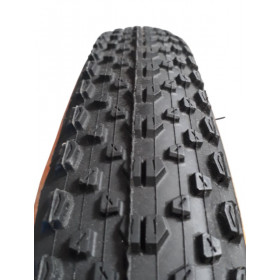 New product -43%MTB tire Maxxis Ikon 29 inches
- €39.89
- €69.99
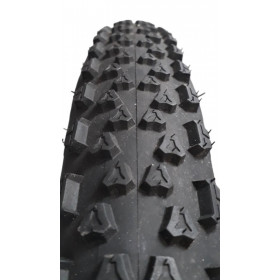 New product -28%MTB tire Vredestein Black Panther Xtreme 29 inches
- €39.59
- €54.99
 New product
 New product Used
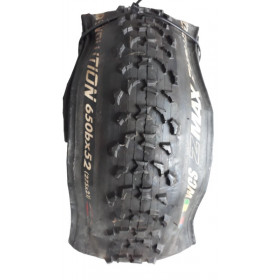 New product -25%Ritchey WCS Zmax evolution MTB tire 27.5 x 2.10
- €52.43
- €69.90
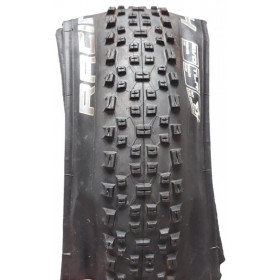 New product -33%Schwalbe Racing Ralph MTB tire 29 x 2.10
- €38.79
- €57.90
Everything you need to know about tubeless MTB tires: features and specifics
The tubeless MTB tire has become a must-have for mountain biking enthusiasts, whether they ride cross-country, enduro, or all-mountain. More than just a bike component, it plays a crucial role in comfort, performance, and rider safety. Discover the features and specifics that set a tubeless tire apart from a traditional one.
What is a tubeless MTB tire ?
A tubeless MTB tire is designed to work without an inner tube. Thanks to a perfect seal between the tire and rim, it allows lower air pressure while reducing the risk of punctures. This technology relies on a hermetic seal and a liquid sealant that automatically seals small holes.
Key features of tubeless MTB tires
-
Tubeless-Ready Rims Compatibility
A tubeless tire requires compatible rims. These rims have specific beads that keep the tire securely in place even at low pressure. -
Lower Pressure for Enhanced Comfort
Without an inner tube, you can lower tire pressure without risking pinch flats. This improves grip, especially on rough or wet terrain, and provides greater comfort during long rides. -
Reduced Risk of Punctures
The liquid sealant inside the tire fills small punctures, drastically reducing the risk of flats. This allows you to ride confidently over rocks, roots, or thorns. -
Reduced Weight
By eliminating the inner tube, a tubeless MTB tire is lighter, which can enhance handling and responsiveness, particularly when climbing or making quick turns.
Important specifics to know
-
Width and Rubber Compound: Tubeless tires come in various widths to match riding style. The rubber compound affects grip and durability.
-
Tread Pattern: Tread design is optimized for different terrain. XC tires focus on speed and low rolling resistance, while enduro or all-mountain tires offer more grip on technical trails.
-
Installation and Maintenance: Installing a tubeless tire requires some skill and sometimes a compressor to seat the tire properly. The sealant should be checked regularly, usually every 2 to 6 months.
Why choose a tubeless MTB tire ?
Riding with a tubeless MTB tire offers multiple advantages:
-
Better traction and comfort on all types of terrain.
-
Effective protection against punctures, even on rough trails.
-
Potential weight reduction for improved bike performance.
It does require regular maintenance and a slightly more technical installation than a standard tire. However, for mountain biking enthusiasts seeking performance and reliability, tubeless is an essential choice.
A tubeless MTB tire can transform your riding experience: better grip, comfort, and puncture resistance await. If you want to enhance your performance while minimizing puncture issues, it’s time to go tubeless.
MTB tire per brand :
Hutchinson MTB tire
Michelin MTB tire
Maxxis MTB tire
MTB tire per size :
26 inch MTB tire
27,5 inch MTB tire
29 inch MTB tire
By type :
MTB tire for road
There are 7 products.