-
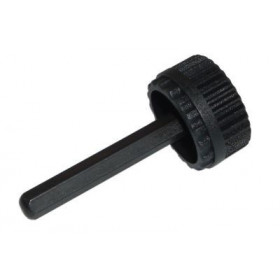
 New productRock Shox MTB sticker
- €0.99
 New product
 Used
Used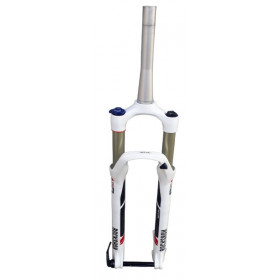 New product -40%Fork Rock Shox Recon RL gold 29 solo air 100 mm
- €233.99
- €389.99
 New product
29-inch MTB fork: features and specifics for optimal riding
The 29-inch MTB fork is a key component of any mountain bike, just as important as the wheels or drivetrain. As the heart of the suspension system, it provides comfort, precision, and control on technical trails. Before choosing your model, it’s essential to understand its technical features and unique characteristics in order to find the fork best suited to your riding style.
What is a 29-inch MTB fork ?
The fork is the part that connects the front wheel to the frame and absorbs impacts through its suspension system. On a 29-inch mountain bike, the fork is specifically designed to accommodate a larger diameter wheel (29"), which delivers greater stability, efficiency, and improved rollover compared to smaller wheel sizes.
Key features of a 29-inch MTB fork
-
Travel
Suspension travel refers to the movement range of the fork, expressed in millimeters. For a 29-inch MTB, the amount of travel depends on the discipline:-
100–120 mm: for cross-country and marathon racing, where weight and pedaling efficiency are priorities.
-
130–150 mm: for trail and all-mountain, offering a balance of versatility and comfort.
-
160 mm and above: for enduro and downhill, where control on demanding terrain is crucial.
-
-
Type of suspension
-
Air: lightweight, easily adjustable in pressure to suit rider weight.
-
Coil spring: more robust, popular in downhill for its linear feel.
-
-
Stiffness and chassis
The stanchion diameter (32, 34, 36, or 38 mm) determines stiffness. Larger stanchions provide better torsional resistance, ideal for aggressive riding. -
Damping system
Hydraulic cartridges allow adjustments to compression and rebound, letting riders fine-tune fork performance to the terrain. -
Wheel and axle compatibility
A 29-inch fork is built to fit a 29-inch wheel. Axle standards vary (e.g., 15x110 mm Boost) for improved stiffness and steering precision.
Specifics of a 29-inch MTB fork
-
Superior rollover: thanks to larger wheels, a 29 fork helps riders roll over roots, rocks, and obstacles more easily.
-
Greater stability: the 29 wheel/fork combination provides better control at higher speeds.
-
Versatility: from XC to enduro, 29-inch forks are available for every riding discipline.
-
Precise adjustments: higher-end models offer fine-tuning such as low- and high-speed compression, as well as rebound control, for a customized suspension feel.
How to choose the right 29-inch MTB fork
Your choice depends on:
-
Your riding discipline (XC, trail, enduro, downhill).
-
Desired travel, based on the type of terrain.
-
Weight and budget: high-end forks using carbon or magnesium are lighter but more expensive.
-
Compatibility with your bike frame and wheels.
Conclusion
The 29-inch MTB fork is much more than just a bike part: it’s a critical component that directly impacts your comfort, performance, and riding enjoyment. From travel and stiffness to damping and compatibility, every detail matters when it comes to choosing the right fork.
Whether you’re a cross-country racer or an enduro enthusiast, investing in the right 29-inch MTB fork will ensure a smoother, more responsive, and safer ride.
Other MTB forks :
27,5 inch MTB fork
26 inch MTB fork
Rigid MTB fork
There are 6 products.
