-
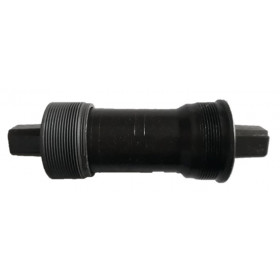 New product -45%Square taper bottom bracket Shimano Altus 116 mm
- €6.04
- €10.99
 New product
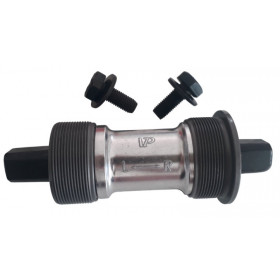
 New product -26%Crankset key diameter 9.5 mm length 42 mm
- €1.47
- €1.99
 New product
Here is information about bicycle bottom brackets:
Function:
1. Connect the bottom bracket cranks to the frame:
The bottom bracket is an essential part that serves as a connection between the bottom bracket cranks and the bike frame.
2. Allow smooth rotation:
The bottom bracket houses the bearings that allow the bottom bracket arms to rotate smoothly, which is crucial for the transmission of power from the rider to the pedals.
3. Bear loads and stresses:
The bottom bracket must be strong enough to withstand the loads exerted during pedaling, while minimizing friction and energy loss.
Characteristics:
1. Thread or press-fit type:
Bottom brackets can have a thread to be screwed into the frame, or be of the press-fit type, where the cups are pressed into the frame without threads. Each type has its own advantages in terms of installation and durability.
2. Case diameter:
The bottom brackets are available in different diameters to suit different bike frame standards.
3. Case width:
The width of the bottom bracket may vary depending on the type of bike and drivetrain configuration.
4. Bearing type:
Bottom brackets can use different types of bearings, such as ball bearings, cartridge bearings, or ceramic bearings. Each type offers specific benefits in terms of durability and performance.
5. Materials:
Bottom brackets are typically made of aluminum, steel, carbon, or titanium alloy. The choice of material can affect the weight, stiffness, and durability of the bottom bracket.
Popular brands:
1. Shimano:
Shimano offers a wide range of high-quality bottom brackets that are suitable for different types of bikes and drivetrains.
2. SRAM:
SRAM manufactures strong, durable bottom brackets that are designed to deliver efficient and reliable power transmission.
3. Race Face:
Race Face offers high-performance bottom brackets, including models suitable for mountain biking and road biking.
4. Chris King:
Chris King is renowned for his high-precision bottom brackets, which are made with quality materials and offer smooth rotation.
5. FSA (Full Speed Ahead):
FSA offers quality bottom brackets, with a variety of options to meet the needs of riders of all skill levels.
There are 5 products.