
-
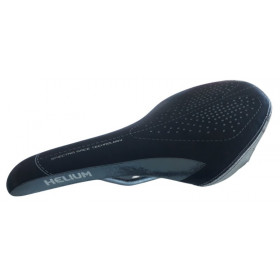 Used
Used More detailsUsed Out-of-StockRockrider MTB saddle
- €4.99
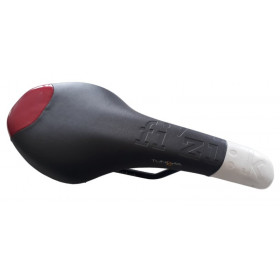 More detailsNew product -60% Out-of-StockFizik Tundra 2 black and red MTB saddle
- €48.00
- €119.99
Showing 1-3 of 3 item(s)
Freeride MTB Saddle: control, strength and freedom of movement
A freeride MTB saddle is a key component for aggressive riders who prioritize durability, bike control and reliability. Designed to handle repeated impacts, hard landings and technical terrain, it clearly differs from cross-country or trail saddles. Whether you ride freeride, bike park, dirt or gravity-oriented mountain bikes, the right saddle choice directly affects handling, comfort and rider mobility.
A saddle designed for aggressive riding
In freeride MTB, the rider’s position constantly changes. The saddle is rarely used for long seated pedaling, but rather as a reference point, easy to grip with the thighs or move around during jumps and tricks. This is why a freeride MTB saddle typically features:
-
A short, compact shape for better body movement
-
A reinforced nose, resistant to impacts and abrasion
-
Rounded edges, reducing friction during tricks and body shifts
-
A flat or semi-flat profile, improving control on descents
Saddle width is usually moderate, offering stability without interfering with bike handling.
Technical characteristics of freeride MTB saddles
A high-quality freeride MTB saddle stands out through strong materials and gravity-focused construction:
-
Reinforced rails made of steel, chromoly or durable alloys
-
Rigid or semi-rigid shell, often nylon or composite-based
-
Firm padding, absorbing shocks without compromising precision
-
Abrasion-resistant cover, using synthetic or anti-slip materials
Unlike road bike saddles, weight is not the main concern. Priority is given to strength, impact resistance and long-term durability, especially during crashes or repeated contact with the bike.
Specific features compared to other MTB disciplines
The freeride MTB saddle sits between downhill and dirt jump saddles:
-
More comfortable than a dirt jump saddle, which is often minimalist
-
More maneuverable than a downhill saddle, which tends to be longer and heavier
-
Perfectly suited for dropper seatposts, widely used in freeride setups
It is ideal for gravity-oriented all-mountain bikes, park bikes and custom builds focused on playful descending.
Leading freeride MTB saddle brands
Many specialized brands design freeride-specific MTB saddles, developed with real-world rider feedback:
-
SDG: a historic freeride and DH reference, known for durability and ergonomics
-
WTB: strong, versatile saddles offering excellent support
-
Chromag: premium materials, clean design and strong gravity focus
-
Reverse Components: great value, ideal for bike park riding
-
Spank: compact, tough saddles built for aggressive riding
-
Sixpack Racing: short profiles, bold styling and durable construction
These brands offer models compatible with most MTB seatposts, including standard and dropper posts.
How to choose the right freeride MTB saddle
When selecting your saddle, consider the following factors:
-
Riding style: pure freeride, bike park or aggressive all-mountain
-
Rider morphology: pelvic width and personal comfort preferences
-
Riding position: dynamic, mostly standing
-
Bike compatibility: rail material, clamp system, seatpost type
A well-chosen saddle improves bike control, reduces interference during technical maneuvers and enhances overall riding enjoyment.
Explore our selection of freeride MTB saddles, new or used, from top brands designed for aggressive riding. Choose reliable components, tested and approved for pushing your limits on trails and in the bike park.
There are 3 products.